Cleaning and Home-Hack Videos: What Makes Them Work
Why short cleaning and home-hack clips hold attention, how to film them in good light, why every hack needs testing first and which products never to mix.
- Box code
TPS 17- Added
- Read time
- 5 min read
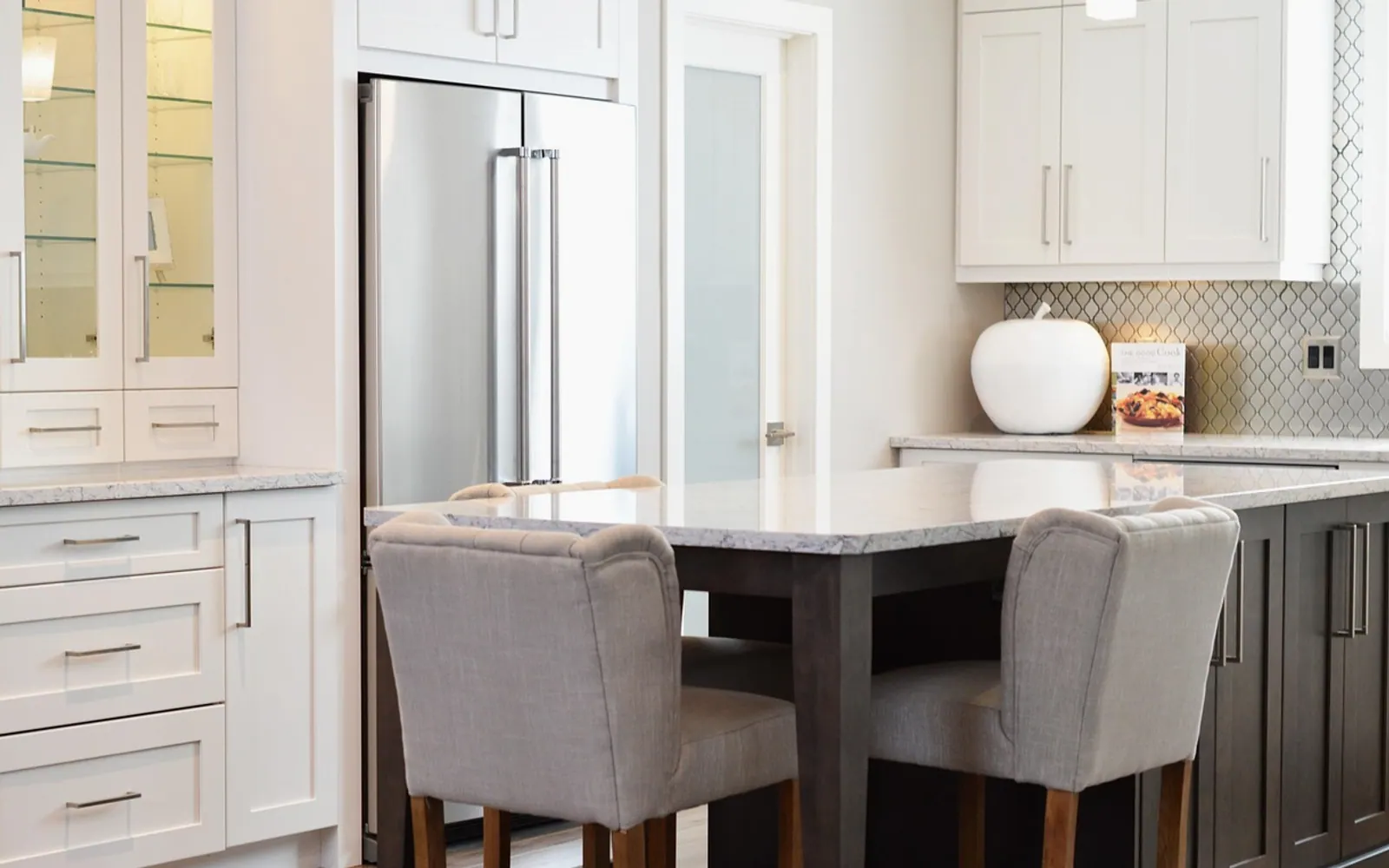
Cleaning and home-hack videos work because they deliver a complete story in under a minute: a clear problem, a simple method and a visible result. The satisfying part is the contrast between before and after, but the clips people trust and save are the ones that are filmed clearly, show a method that was tested first and never cut corners on safety.
Why a thirty-second scrub is so watchable
There is something calming about watching grime disappear. A stained grout line turning pale again or a cloudy glass coming up clear gives the viewer a small sense of order without lifting a finger. Short clips compress a chore that might take twenty minutes into a few seconds of pure progress, which is exactly the part of cleaning most people enjoy.
The format also answers a practical question. Someone staring at a sticky hob wants to know whether a method is worth trying, and seeing it work on a real surface is more convincing than a paragraph of instructions. Clips like these sit alongside written guides rather than replacing them; a step-by-step article such as our guide to steam-cleaning a microwave in ten minutes still fills in the timings and details a quick video skips.
What makes the before-and-after convincing?
Honesty. The same angle, the same light and the same framing for both shots, with no filter added only to the final frame. Viewers notice when the "after" looks brighter simply because a lamp was switched on, and that small trick undoes the whole point of the clip.
Filming tips for clean, clear clips
You do not need special equipment to film a good cleaning video. A phone, a steady surface and a little attention to three things will do most of the work.
Light
Daylight from a window to one side shows texture well, so streaks, limescale and dust actually appear on screen. Overhead kitchen lights tend to flatten everything and can bounce harshly off shiny surfaces like stainless steel or tiles. If you shoot at night, keep the same lamp in the same place for the whole clip.
Angle
Lock the phone in one position for the before and after shots so the difference is fair. A low, slightly side-on angle shows the depth of a stain on a hob or a bath edge, while a straight top-down view suits worktops, drawers and folding. Mixing a wide shot that sets the scene with a few close-ups of the cloth or brush at work keeps the pace up; the ideas in our explainer on types of camera shots and what each one does translate surprisingly well to a kitchen counter.
Sound
Many viewers watch with the sound on for cleaning clips, because the scrape of a scraper or the squeak of a clean window is part of the appeal. Switch off the extractor fan, the radio and the washing machine while you record, and hold the phone close enough that the sounds of the task come through clearly. If you add voice-over, keep it short and record it in a quiet room.
Test every hack before you share it
The biggest difference between a helpful home tip and a disappointing one is whether it was tried properly. Before posting, run the method more than once, on the actual material you are showing, and look at the result the next day as well as straight away. Some tricks look great while the surface is wet and leave a film once dry; others work on one type of worktop and dull another.
- Test on a small hidden patch first, especially on stone, wood, natural fabrics and coated pans.
- Check the manufacturer's care label or instructions for the item.
- Note how long the method really took, including soaking time.
- Mention in the caption what the hack is not suitable for.
- If a method failed on one material, say so rather than editing it out.
Safety with cleaning products
This is where cleaning content carries real responsibility. Never mix cleaning chemicals, either in a bottle or on a surface. Bleach combined with ammonia-based cleaners or with acids such as vinegar can release harmful gases, and even products that seem mild on their own can react with each other. A clip that shows two products poured together to make a "super cleaner" can lead viewers to copy something dangerous.
| Good habit | Why it matters |
|---|---|
| Use one product at a time and rinse between them | Avoids unwanted reactions on the surface |
| Open a window or turn on ventilation | Keeps fumes from building up in small rooms |
| Wear gloves for strong products | Protects skin from irritation |
| Keep products in their original bottles | Labels and warnings stay with the contents |
| Store everything out of reach of children and pets | Prevents accidental contact or swallowing |
How small cleaning and home businesses use these clips
Domestic cleaners, end-of-tenancy teams, carpet and upholstery cleaners and small home-repair outfits increasingly use short videos to show the kind of work they do. A quick clip of an oven door before and after, or a sofa cushion lifting back to its original colour, tells a potential customer more than a list of services. Many of these businesses film on the job with the client's permission, keeping house numbers, family photos and other personal details out of the frame.
Posting regularly alongside a full working week is hard, so some owners batch their filming into one afternoon a month, while others pass part of the editing and scheduling to an outside Social Media Service and keep the filming itself in their own hands. Either way, the content works best when it shows real jobs, realistic timings and safe methods.
Should a business show every job?
No. A handful of clear examples of typical work tells a better story than a constant stream of clips, and it leaves room to ask clients properly before anything from their home is shared.
The short version
A good cleaning or home-hack video is a small, honest demonstration: steady angle, natural light, the real sounds of the task, a method tested before filming and a firm line on product safety. Get those right and the satisfying reveal at the end becomes something viewers can actually repeat in their own homes.