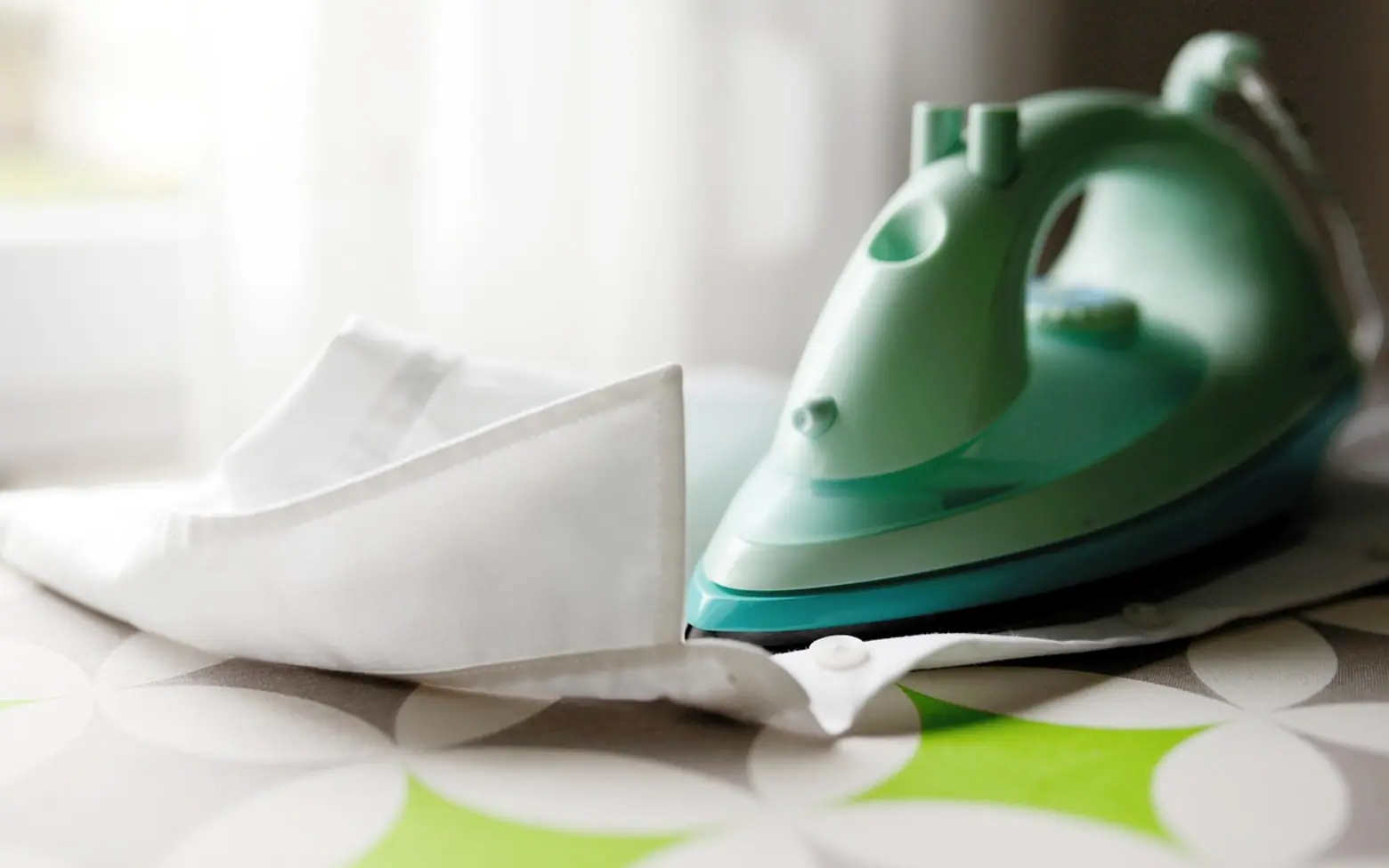
How to Get Sweat Smell Out of Clothes (Even After a Wash)
How to get sweat smell out of clothes that still smell after washing: a vinegar or baking soda soak, less detergent and drying that stops odour returning.
- Bin
- Household
- Box code
HSH 11- Added
- Read time
- 4 min read

To get sweat smell out of clothes, soak them before washing in cool water with a cup of white vinegar or a few spoonfuls of baking soda, then wash with a little less detergent than usual and dry them fully, ideally in fresh air. The smell lingers because body oils and bacteria cling to fibres that a quick everyday cycle never fully reaches, so the fix is about loosening that build-up rather than piling on more scented products.
Why clothes still smell after washing
Sweat itself has very little odour. The smell comes from bacteria feeding on it, and those bacteria love a warm, oily layer to live in. A few things help that layer survive the machine:
- Synthetic fabrics. Polyester and other sports fabrics hold on to oils more stubbornly than cotton.
- Too much detergent. Extra soap that does not rinse out leaves a film that traps grime.
- Short, cool eco cycles used for everything, every time.
- Waiting. A damp gym top balled up in a bag for a day gives bacteria a head start.
- Fabric softener on activewear, which coats the fibres and seals odour in.
The tell-tale sign is the "reactivation" smell: a top that seems clean until you warm up in it, at which point the old odour wakes up.
The pre-soak that does most of the work
Pick one of these and give the problem items a soak before they go anywhere near the drum.
| Soak | How to make it | Best for |
|---|---|---|
| White vinegar | About one part vinegar to four parts cool water | Gym kit, synthetics, towels |
| Baking soda | A few spoonfuls dissolved in a sink of warm water | Cotton T-shirts, underarm areas |
| Enzyme laundry soak | Follow the pack directions | Heavy, long-standing odour |
Leave items in for half an hour to a couple of hours, turning them once. For really stubborn pieces, an overnight soak is fine for most everyday fabrics; check the care label for delicates. Never mix vinegar with bleach, and do not combine different cleaning products in the same bowl.
Washing: what to change
- Turn items inside out. The smell lives on the side that touched your skin.
- Use the warmest temperature the label allows. Cotton usually copes with a warmer cycle; activewear often says cool, so lean on the soak instead.
- Measure detergent properly. Less can genuinely clean better if the dose was creeping up.
- Skip the softener for sports fabrics and towels. A splash of vinegar in the softener drawer is a common swap.
- Do not overload the drum. Clothes need room to move through the water.
If you are not sure what a care label allows, the little symbols tell you the maximum temperature and whether tumble drying is allowed.
Drying so the smell does not return
Drying is where many good washes go wrong. Clothes left damp in the drum for hours start smelling musty all over again. Hang them up straight after the cycle ends, spaced so air can reach both sides. Sunshine helps, and so does a breezy spot near an open window. If you use a tumble dryer, make sure items come out completely dry rather than slightly cool and clammy.
Spot fixes for underarms and collars
The armpit area of shirts often smells long after the rest is fresh. Before washing, make a paste from baking soda and a little water, rub it gently into the fabric and leave it for twenty minutes. For a white shirt with yellowed underarms, a dedicated stain remover used as the label directs is the safer bet than scrubbing hard, which can thin the fabric.
Keep your washing machine fresh too
A machine with a grubby seal or drawer can pass smells straight back onto clean clothes. Wipe the door seal, leave the door ajar between washes and run an empty hot cycle now and then. The same cupboard staples that tackle limescale in our guide on how to descale a kettle come in handy here, and the soak-and-air approach also works for bedding, as covered in how to clean a mattress without soaking it.
Habits that stop the problem building up
- Hang sweaty clothes to air before they go in the basket.
- Wash gym kit after every wear rather than saving it for the weekend.
- Keep a separate mesh bag for sports clothes so they dry while waiting.
- Give older activewear a vinegar soak once a month as routine maintenance.
Your exercise mat collects the same sweat and oils as your clothes; here is how to clean a yoga mat without damaging the grip. Team shirts with printed numbers need extra care, which our guide to washing a jersey covers.
Quick answers
Does vinegar leave clothes smelling of vinegar?
Not once they have been washed and dried. The sharp smell rinses out and fades as the fabric dries.
Can I just add more scented detergent?
It tends to make things worse. Perfume masks the problem for a while, and the extra detergent adds to the film that traps odour.
When is a garment beyond saving?
If a shirt still smells after a soak, a proper wash and a full dry, try the routine once more. If nothing changes, that piece may be ready for the rag drawer, and the new one will last longer with the habits above.
Worth a second look


What did it land on?
Two taps: the mess, then the thing it is on. You get the gentle method from our matching guide, nothing stronger.
The mess
The surface
Pick a mess to start.
Before you start: one product at a time. Never mix bleach with ammonia, vinegar or other cleaners, because the fumes are harmful. Read the care label and test on a hidden spot first.