How to Clean a Yoga Mat Without Ruining It
How to clean a yoga mat without damaging it: a quick wipe after sweaty sessions, a gentle deep clean, the right method for each material and how to dry it.
- Bin
- Sports
- Box code
SPR 02- Added
- Read time
- 4 min read
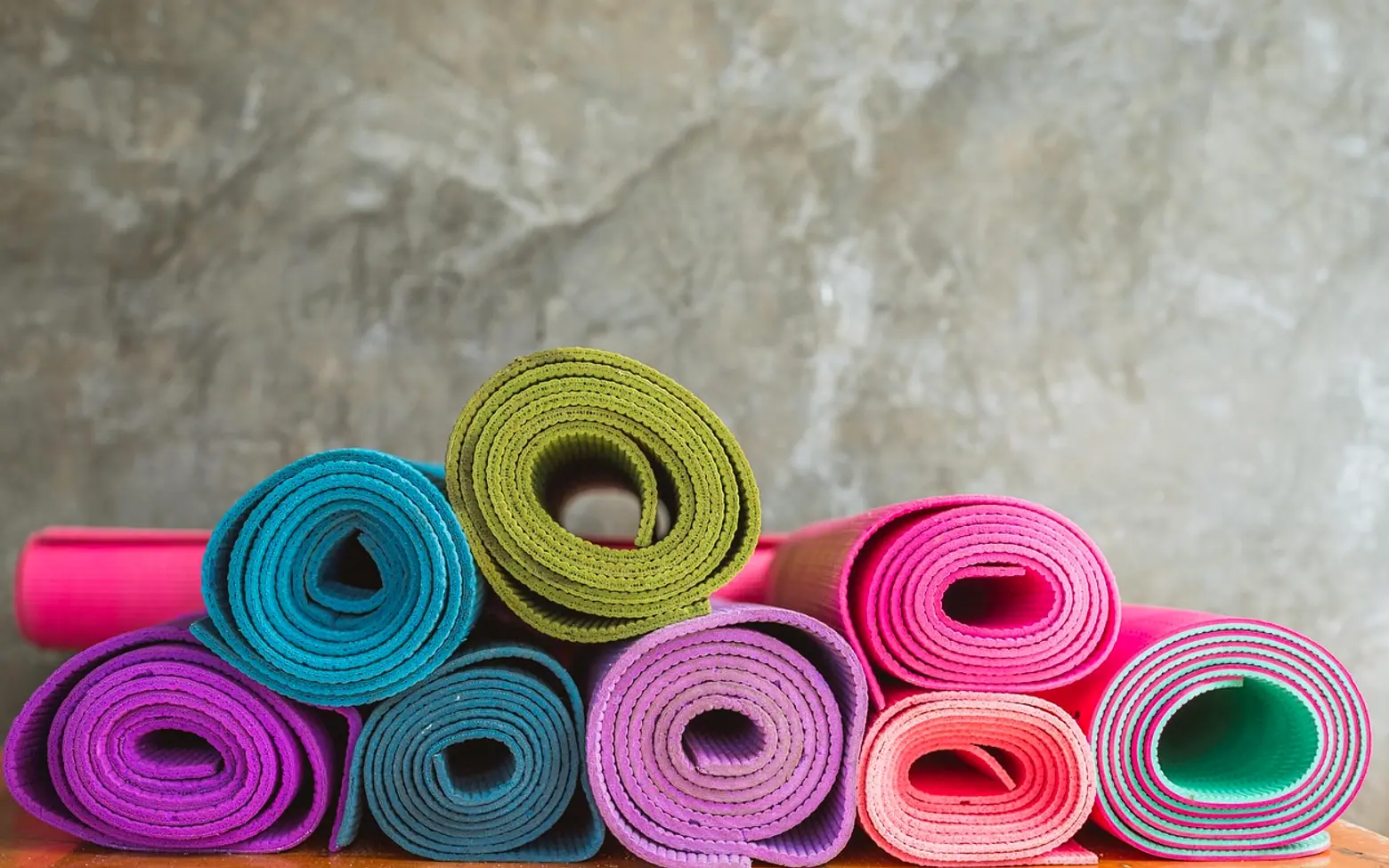
Most yoga mats need two kinds of care: a quick wipe after sweaty sessions and a deeper wash every so often. A few drops of mild dish soap in warm water, a soft cloth and a thorough air-dry cover both for the majority of mats. The catch is the material. Natural rubber, cork and mats with a soft, suede-like top layer need gentler handling than standard PVC or foam-style TPE, so it pays to know what you are rolling out.
First, check what your mat is made of
The care label or the maker's instructions beat any general advice, including ours. If the label is long gone, this rough guide helps:
| Material | How to recognise it | Gentle cleaner | Avoid |
|---|---|---|---|
| PVC | Smooth, slightly sticky, often thin | Mild soap and water | Harsh solvents, long spells in hot sun |
| TPE | Light, springy, foam-like, often two-tone | Mild soap and water | High heat, heavy scrubbing |
| Natural rubber | Heavy and grippy, with a rubbery smell when new | A damp cloth with very little soap | Soaking, sunlight, oils, and vinegar or alcohol unless the maker approves |
| Cork top | Warm, natural surface that grips better when damp | Water or a very mild soap solution | Saturating it, abrasive pads |
| Microfibre or suede-feel top | Soft printed surface, common on travel and hot-yoga mats | Hand wash, or a cold machine cycle only if the label allows | Fabric softener, tumble dryer |
The quick wipe, after sweaty sessions
- Make a simple spray: water in a clean spray bottle with a few drops of mild dish soap. On PVC and TPE mats you can add a small splash of white vinegar, provided the maker does not advise against it.
- Mist the top surface lightly. You want damp, not wet.
- Wipe with a soft cloth from one end to the other. Flip the mat and do the underside, which picks up floor grime.
- Go over it once more with a cloth dampened in plain water to lift any soap film, which can make a mat slippery.
- Leave it flat or hanging until it is completely dry before rolling.
The deep clean, every so often
When a mat smells stale, looks grey or has lost its grip under a layer of skin oil and sweat, it needs more than a wipe.
- Lay the mat in a clean bathtub or shower tray. For PVC and TPE, a short soak in lukewarm water with a little mild soap is usually fine. Skip the soak for natural rubber and cork.
- Scrub gently with a soft sponge in small circles, paying extra attention to where your hands and feet land.
- Rinse thoroughly. Leftover soap is the main reason a mat feels slick after washing.
- Lay the mat on a large towel, roll the two up together and press down firmly to squeeze out water. Standing on the roll works well.
- Unroll and hang the mat over a drying rack, a shower rail or the backs of two chairs, out of direct sunlight. Thick mats can take a day or more to dry right through.
The press-and-air-dry logic is the same one that keeps a mattress fresh without soaking it: moisture trapped inside soft materials is what turns a fresh clean into a musty smell.
How often should you clean a yoga mat?
There is no single schedule, because it depends on how often you practise and how much you sweat. A sensible pattern looks like this:
- After hot or sweaty sessions: a quick wipe.
- With regular practice: a deep clean every few weeks.
- Whenever it needs it: if it smells, looks grimy or starts losing grip.
- Shared studio mats: a wipe before and after use, with whatever cleaner the studio provides.
Mistakes that shorten a mat's life
- Putting it in the washing machine or dryer when the label does not say you can.
- Using bleach or strong household cleaners, which can break down the surface and irritate skin.
- Rolling it up damp, which invites mildew.
- Drying it in direct sun or leaving it in a hot car, where rubber and foam can fade, crack or crumble.
- Adding essential oils to a natural rubber mat, since oils can degrade rubber over time.
Safety note: use one cleaning product at a time. Never mix bleach with vinegar, ammonia or other cleaners, because the combination can release harmful fumes.
Quick answers
Why does my new mat feel slippery?
Some mats arrive with a light factory film. A gentle wash and a few sessions usually sort it out. If a mat turns slippery after cleaning, rinse it again, as soap residue is the likely culprit.
Can I clean a yoga mat naturally?
Yes. Plain water with a drop of mild soap handles most dirt. Diluted vinegar suits many PVC and TPE mats, but check the label first and keep natural rubber away from acids and oils.
What about the rest of my kit?
Gear lasts longer when its care matches how it is used, an idea that runs through everything from team shirts to skydiving rigs built for different disciplines. For the laundry side, our guide to washing a jersey without wrecking the numbers picks up where this one stops.