Seoul's Bang Culture Explained: Karaoke Rooms, PC Bangs and More
What a bang is in Seoul: noraebang karaoke rooms, PC bangs, board-game cafes, escape rooms and study cafes, plus etiquette and how paying usually works.
- Bin
- Lifestyle
- Box code
LFS 15- Added
- Read time
- 5 min read
In Seoul, a bang (방) is simply a room, and "bang culture" is the habit of renting a private room by the hour for a single activity: singing in a noraebang, gaming in a PC bang, playing in a board-game cafe, solving puzzles in an escape room or studying in a quiet booth. You pay for the space and the time, the door closes, and for a while the room belongs to your group.
For visitors the idea can feel unusual at first, yet it quickly makes sense once you see how the city is built. Below is a walk through the main types of bang, why they took hold and what to expect when you open the door.
Why renting a room makes sense in a dense city
Seoul is a city of apartments, many of them compact, with thin walls and neighbours on every side. Hosting six friends for a loud evening of singing or a long gaming session at home is rarely practical. A rented room solves several problems at once:
- Space: a group gets a room sized for it without anyone having to clear their living room.
- Noise: karaoke rooms and gaming rooms are built to contain sound, so nobody worries about the people next door.
- Equipment: fast computers, sound systems, large game libraries or quiet desks come with the booking.
- Neutral ground: nobody has to play host, tidy up afterwards or feel responsible for the evening.
The result is a kind of shared living room spread across the city, available a floor or two above the street in almost every neighbourhood.
The main types of bang
Noraebang: the karaoke room
The noraebang (노래방, "song room") is the best-known bang. A group books a private room with a screen, microphones, a song catalogue that usually includes Korean, English, Japanese and Chinese titles, and often tambourines on the table. Rooms range from small booths for two to larger spaces for office gatherings. Some places charge per hour, others per song, and coin-operated booths let a single person sing a few tracks on the way home. It is a normal way to finish a birthday dinner, a team outing or a reunion, and families go too.
Gangnam has a dense cluster of karaoke rooms around its main stations, which is why visitors often look for help comparing them. Korean-language resources such as the Karaoke of Gangnam Guide collect information about karaoke visits in the district, and a translation app makes them easy to skim before you pick a place.
PC bang: the gaming room
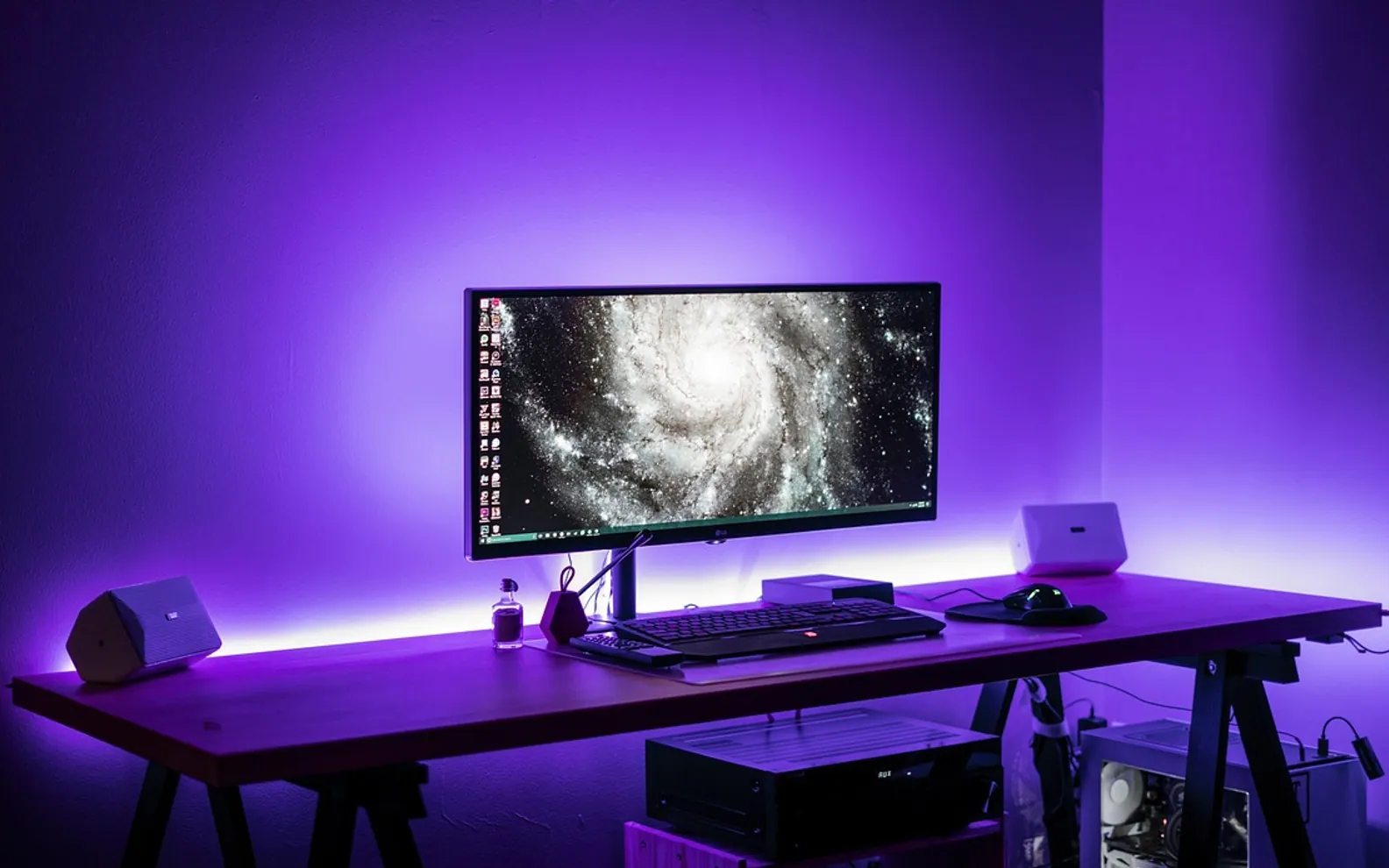
A PC bang is a large room of powerful computers rented by the hour, popular for online games played with friends side by side. Seats are usually open-plan rather than private, but the principle is the same: you rent time on equipment you might not have at home. Accounts and logins are your own responsibility, so log out completely before you leave; the advice in our piece on keeping your online gaming accounts safe applies on any shared machine.
Board-game cafes
Board-game cafes rent tables rather than closed rooms, along with access to shelves of games. They suit mixed groups, couples on a relaxed date and anyone who wants an evening of conversation with something to do with their hands.
Escape rooms
Escape rooms are themed spaces where a small team solves puzzles against the clock. Many are designed in Korean, so check whether a room works for non-Korean speakers before booking, or pick a theme that relies on visual and physical puzzles.
Study cafes
The quietest bang of all, the study cafe rents desks or small booths by the hour or in longer blocks. Students preparing for exams use them heavily, as do remote workers who need focus away from a small flat. Silence is the rule, so calls happen outside.
Quick comparison
| Type | Private room? | Typical group | Noise level |
|---|---|---|---|
| Noraebang | Yes | Friends, families, colleagues | Loud inside, contained outside |
| PC bang | Usually not | Gamers, alone or in pairs | Moderate |
| Board-game cafe | Table or small room | Couples, small groups | Conversational |
| Escape room | Yes | Small teams | Lively |
| Study cafe | Desk or booth | Students, remote workers | Silent |
Etiquette inside a bang
The rules are mostly common sense, but a few habits are worth knowing:
- Stay within your booked time. When the timer runs out, wrap up or ask the front desk to extend.
- Leave the room as you found it. Gather cups and wrappers, put game pieces back in their boxes and return microphones to their stands.
- Respect the equipment. Damage to microphones, keyboards or puzzle props is usually charged to the group.
- Keep corridors calm. Rooms contain the noise; hallways do not.
- Ask about outside food. Policies vary, so check at the counter before you unpack snacks.
Where a karaoke evening includes a drink or two, pace yourself and plan the trip home on the subway or by taxi rather than behind the wheel.
How paying usually works
Payment follows a few common patterns. At many noraebang and escape rooms you pay at the front desk before you go in, for a set block of time or a set game. PC bangs often use a prepaid system: you buy time at a kiosk or counter and receive a card or code to log in. Study cafes frequently use self-service kiosks with hourly or longer passes. Cards are widely accepted, though a kiosk menu may be in Korean only, so a translation app helps. Splitting the bill among friends is normal; one person pays at the desk and the group settles up afterwards.
Common questions
Do I need to book ahead?
For a weeknight noraebang or PC bang you can usually walk in. Escape rooms and popular board-game cafes on weekend evenings are easier with a reservation.
Is a bang suitable for solo visitors?
Yes. Coin karaoke booths, PC bangs and study cafes are all used alone every day, and nobody finds it odd.
What should I pack for an evening of bang-hopping?
A charged phone, a translation app and a card for payment cover most needs. If you are fitting Seoul into a longer trip, our notes on packing a carry-on like a frequent flyer help keep your bag light enough to carry from one room to the next.
Bang culture is really one idea repeated across the city: when home is small, you rent the room you need, share it with your group and hand it back an hour or two later.