How to Clean a Mattress Without Soaking It
Freshen a mattress the dry way: strip, vacuum, deodorise with baking soda and lift stains with barely damp cloths so the foam never gets soaked through.
- Bin
- Household
- Box code
HSH 07- Added
- Read time
- 4 min read
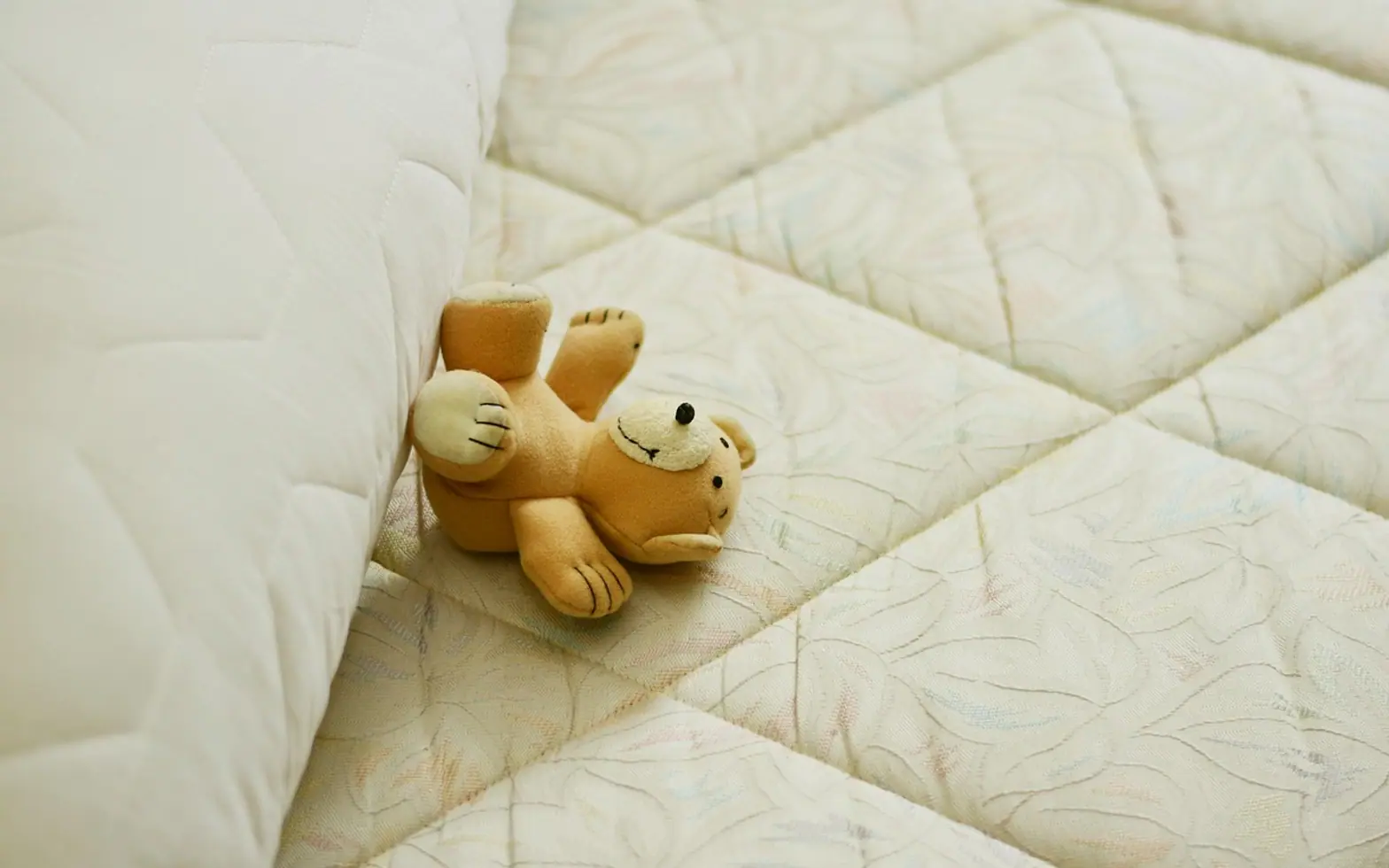
A mattress is the one big thing in the house that almost never gets cleaned. Sheets go in the wash every week or two, pillows get the occasional fluff, and the mattress itself just sits there quietly collecting dust, skin flakes and the odd mystery mark. It does not need much. It just needs something.
The golden rule is simple: keep it dry. Foam and fillings soak up water fast and dry painfully slowly, and a damp core is an open invitation to mildew and musty smells. Everything below uses as little moisture as possible, and you can do the whole thing on a lazy Saturday while the bedding runs through the machine.
What you need
- A vacuum cleaner with an upholstery tool or a clean brush attachment
- Baking soda (bicarbonate of soda) and a sieve or shaker
- Two or three clean white cloths
- Mild washing-up liquid and cool water in a small bowl
- An enzyme cleaner made for fabrics, if you are dealing with sweat, pet or child accidents
- A fan or an open window, and a bit of time
Before you start, take a peek at the care label sewn into the side. Some mattresses, especially memory foam and certain hybrids, come with specific do and do-not advice from the maker. When in doubt, follow the label over any general guide, including this one.
The dry-clean routine, step by step
- Strip everything. Sheets, mattress protector, toppers and pillowcases all go in the wash on the hottest setting their labels allow.
- Vacuum slowly. Use the upholstery tool and work in overlapping rows across the top and sides. Pay attention to seams and the little dips around buttons, where dust likes to settle.
- Treat stains next. Do this before the deodorising step so the powder does not get mixed into wet patches. The stain guide below has the details.
- Sprinkle baking soda. Shake an even, thin layer over the whole surface. A sieve gives you a nicer spread than tipping it straight from the box.
- Let it sit. A few hours is good, the whole day is better. Open the curtains if the sun is out, because light and air help it feel fresher.
- Vacuum again. Go over everything thoroughly to lift every last bit of powder.
- Flip or rotate. If your mattress is designed to be turned, flip it. If not, rotate it head to foot so it wears more evenly.
Spot cleaning without the flood
For stains, the trick is to blot, never scrub and never pour. Scrubbing pushes the mark deeper and roughs up the fabric, while pouring soaks the layers underneath.
Everyday marks
Mix a few drops of washing-up liquid into a small bowl of cool water and whip it up until you have a bit of foam. Dip a cloth into the foam rather than the water, dab the stain, then blot with a dry cloth. Repeat until the mark stops transferring to the cloth.
Sweat, pet and child accidents
These are protein-based, which is where an enzyme cleaner earns its keep. Spray lightly onto a cloth instead of straight onto the mattress, dab, leave it for the time the bottle suggests and blot dry. Cool water works better than hot here, as heat can set protein stains.
Old, stubborn marks
Some yellowing will simply not shift completely, and that is fine. Better a faint shadow than a soaked mattress. Always test any product on a hidden corner first and give it time to dry before deciding it is safe.
Safety note: keep it simple and use one product at a time. Never mix bleach with ammonia, vinegar or other cleaners, and rinse your cloth well between products. A mattress is right where you breathe all night, so strong chemicals are best left in the cupboard.
Drying matters more than you think
Even with the lightest touch, spot-cleaned patches need to dry fully before the bedding goes back on. Point a fan at the damp areas, open a window and give it a few hours. Press a dry tissue against the spot: if it comes away damp, wait longer. Making the bed too early traps moisture underneath, and that is where musty smells begin.
| Job | How often |
|---|---|
| Wash sheets and pillowcases | Every week or two |
| Wash the mattress protector | Every month or two, and after any spill |
| Vacuum and baking soda refresh | Every few months, or with each change of season |
| Rotate or flip | Whenever the care label suggests |
The easiest trick of all
A washable mattress protector does more for a mattress than any cleaning session. It catches spills, sweat and dust before they reach the fabric, and it goes straight in the machine. If you only change one habit after reading this, make it that one.
Moving out and need the whole place spotless, not just the bed? Our guide to end of lease cleaning covers the big picture. And if a candle got a bit too cosy near the bedroom rug, you will want our walkthrough on how to remove wax from carpet next.