Pest Control for Families With Pets: Staying Safe Without Compromise
How Perth households with dogs, cats, birds or reptiles can deal with ants, fleas, roaches and rodents while keeping every animal in the home out of harm's way.
- Bin
- Household
- Box code
HSH 05- Added
- Read time
- 2 min read
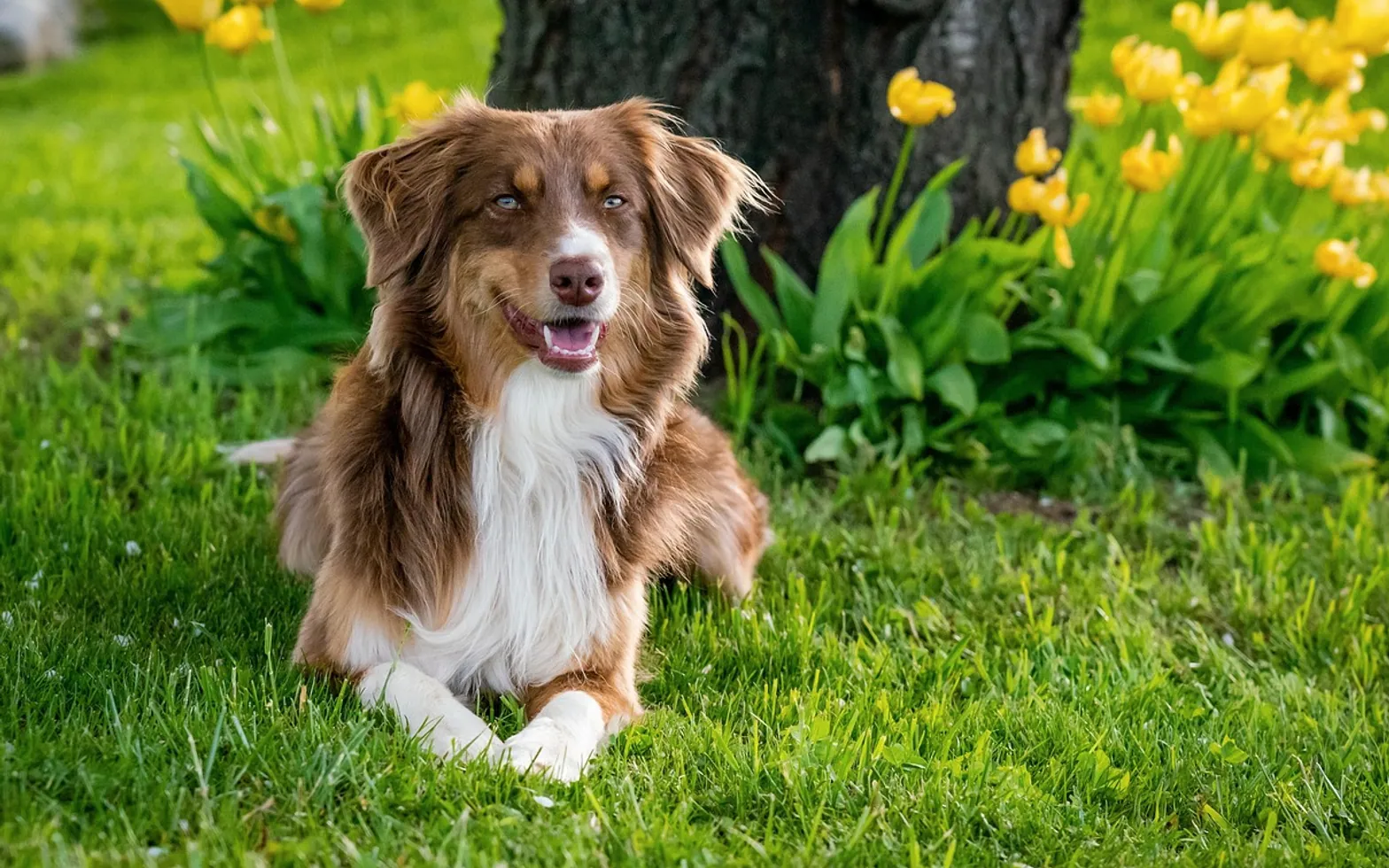
A dog that sniffs every corner, a cat that grooms after walking across the floor, a budgie breathing the same air as the rest of the house: pets experience a home very differently from people. That makes pest treatment a little more complicated for animal-loving families, especially in a warm city like Perth where ants, cockroaches, fleas and rodents are part of everyday life. The aim is not to choose between a pest-free home and a safe pet, but to plan so you get both.
Know where the risks come from
Most problems arise from contact rather than from the treatment itself. A bait station that smells like food can tempt a curious dog. A freshly sprayed skirting board picks up on a cat's paws and is later licked off. Birds, small mammals and reptiles can be sensitive to airborne products and fumes. If a pet shows unusual symptoms such as drooling, vomiting, trembling or laboured breathing after any treatment, contact a vet straight away and keep the product label to hand.
Tell the technician about every animal
The most useful thing a family can do is share the full picture before work begins: which animals live in the house, where they sleep, where they eat and whether any are elderly, pregnant or unwell. A pet-aware provider such as adaptive pest control can then choose products, placements and timing to suit the household, for example targeted gel baits inside cracks rather than broad spraying, or tamper-resistant stations placed well out of reach.
Ask how long treated areas should stay off limits, whether windows should be opened afterwards and when it is fine for animals to return.
Preparing the home on treatment day
- Move pets to a friend's place, a closed-off room away from treated zones, or outdoors in a secure area.
- Cover or remove fish tanks and switch off aquarium air pumps if advised, since they can draw in air from the room.
- Take food bowls, water dishes, toys and bedding out of the treatment area.
- Relocate bird cages and reptile enclosures to a well-ventilated room or another building.
- Wipe floors and surfaces at nose level once the agreed waiting time has passed.
Prevention keeps treatments rare
The fewer pests that move in, the less often treatment is needed. Store pet food in sealed containers rather than open bags, wash bowls daily and avoid leaving food out overnight. Sweep up seed husks around bird cages. Seal gaps around pipes and doors, trim plants back from walls and fix dripping taps that attract cockroaches. Regular grooming and the flea products your vet recommends keep fleas off the animals and out of the carpet.
Long-term peace of mind
Many families find that a scheduled maintenance visit, built around their pets' routine, works better than waiting for an infestation. Teams like adaptive pest control can keep notes on the household's animals from one visit to the next, so each treatment starts with the right precautions already in place.
Living with animals already means planning around feeding times, walks and vet check-ups. Folding pest management into that routine, with clear communication and a little preparation, keeps the whole family comfortable, whether it walks on two legs or four.