Finding Specialized Rig Features for Different Skydiving Styles
Formation, freefly, wingsuit and canopy work each ask different things of a skydiving rig. A look at containers, handles, fit and helmets for each style.
- Bin
- Lifestyle
- Box code
LFS 04- Added
- Read time
- 2 min read
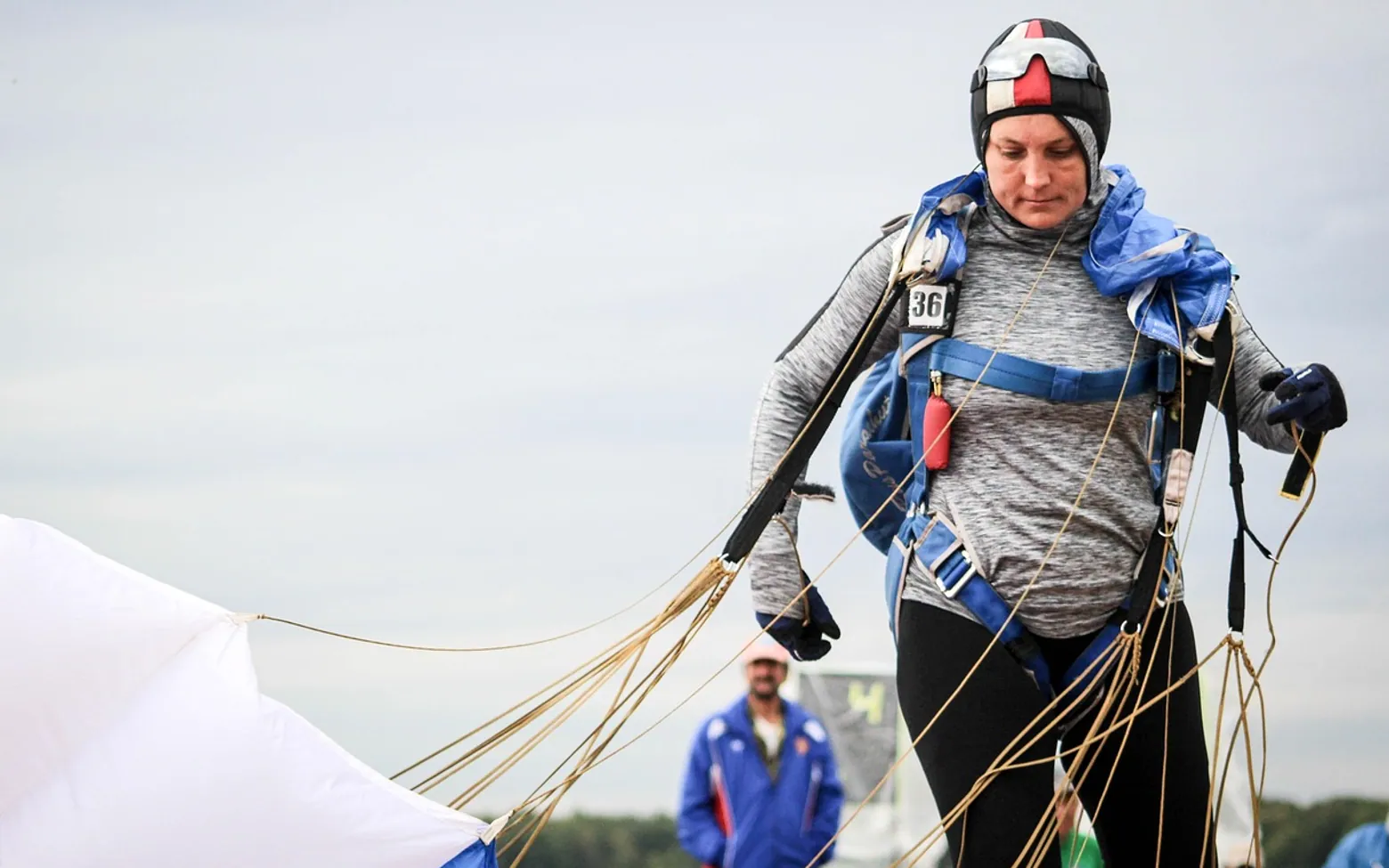
Two skydivers can leave the same aircraft with rigs that look almost identical from a distance and still have very different setups underneath. As jumpers settle into a discipline, small differences in container shape, handle placement, closing systems and fit start to matter. The notes below outline what people commonly look at for each style. They are general orientation only: any change to a rig should be discussed with an instructor and carried out or checked by a qualified rigger, following the manufacturer's guidance.
Gear for every discipline
Whatever the style, a few basics stay the same. The harness has to fit snugly without restricting movement, the handles must be easy to find by feel, and nothing should flap in the airflow. Head protection is part of that foundation, and many jumpers choose a full-face model like the cookie g35 skydiving helmet, which is popular for its comfortable fit, clear field of view and solid feel across many kinds of jumps.
Belly and formation flying
Formation work puts many people close together, so a tidy, low-profile container helps avoid snagging on others during docks and breaks. Jumpers often look for:
- Smooth container edges and well-protected flaps.
- A pilot chute pouch and handle that stay secure through repeated grips.
- Leg straps and chest strap adjusted so the body can arch freely.
Jumpsuit choice is closely linked to the rig here, since fall rate matters when matching speeds with the group.
Freefly
Head-down and sit-flying expose the rig to airflow from directions it does not meet in a belly position. Freefliers pay close attention to anything that could open prematurely: closing flap design, the routing of the bridle, and how firmly the pilot chute sits in its pouch. Many prefer a container and harness combination that stays stable on the body when moving between orientations, along with handles that remain easy to reach upside down.
Wingsuit and canopy-focused jumping
Wingsuit flights change body position, airflow and deployment conditions, so containers used for this discipline are often chosen for compatibility with the suit and for clean deployment from a wider body shape. Attachment points, wing connection zippers and handle access are all checked together with the suit, ideally with guidance from experienced wingsuit coaches.
Canopy-focused jumpers, by contrast, think most about the main canopy, its size and its wing loading, and about harness comfort under canopy. These choices carry real risk and are usually made progressively, with coaching and in line with the jumper's experience.
Comparing setups at a glance
| Discipline | Main rig focus |
|---|---|
| Formation | Low profile, secure flaps, fall rate |
| Freefly | Protection against premature opening, stable fit |
| Wingsuit | Suit compatibility, handle access |
| Canopy work | Canopy choice, harness comfort |
The common thread is that equipment should match the jumper's current skills, not the ones they hope to have next season. Regular gear checks, honest conversations with riggers and coaches, and gradual changes keep the focus where it belongs: on enjoying the sky and coming back down safely.