What Does a Cinematographer Do? The Person Behind the Look of a Film
A cinematographer shapes how a film looks: light, lenses, framing and camera movement. What the job involves, from early prep to the final colour grade.
- Bin
- Film
- Box code
FLM 02- Added
- Read time
- 4 min read
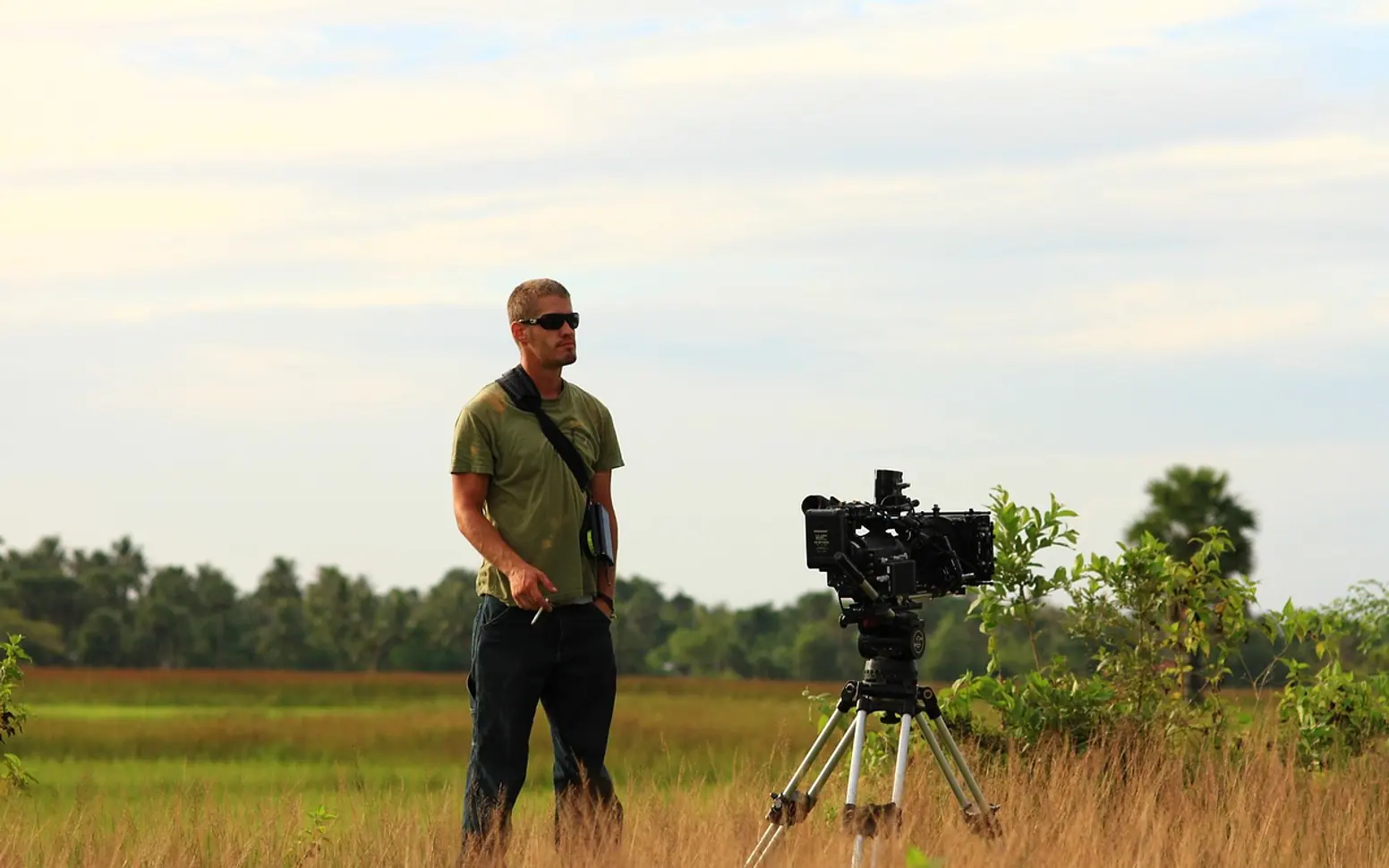
A cinematographer is the person responsible for how a film looks. Working alongside the director, they choose the cameras and lenses, design the lighting, decide where the camera sits and how it moves, and later help shape the final colour. On most productions the credit reads director of photography, often shortened to DP or DoP, and it means the same thing.
That one-line answer hides a lot of work, though. Next time a scene makes you lean towards the screen without quite knowing why, there is a good chance the cinematographer had something to do with it.
Cinematographer vs director: who decides what?
The director owns the story: performances, pacing, what each scene needs to say. The cinematographer translates those intentions into images. A director might explain that a dinner scene should feel tense and claustrophobic; the cinematographer answers with tighter framing, a longer lens that squeezes the room, and a single hard light source that leaves faces half in shadow.
It is a partnership rather than a strict chain of command. Some directors arrive with every frame planned and want a technician who can deliver it. Others lean heavily on their cinematographer's eye. Plenty of directors work with the same DP film after film, simply because that kind of creative shorthand takes years to build.
The main jobs, in order
Before shooting
- Reading the script for mood. Is this story warm, cold, dreamy or documentary-raw? That feeling drives every later choice.
- Choosing the format. Digital or film stock, which camera body, which aspect ratio, which set of lenses. A wide, letterboxed frame tells a different story from a squarer one.
- Location scouts and tests. Checking where the sun falls at different times of day, how much room there is for lights, and running camera tests on costumes, make-up and sets.
- Shot planning. Building shot lists, and sometimes storyboards, with the director so everyone knows which angles a scene needs.
On set
During the shoot the cinematographer leads the camera, lighting and grip departments. That usually includes a camera operator who physically handles the camera (on smaller productions the DP often does this personally), a focus puller who keeps the right thing sharp, a gaffer who runs the lighting and electrical team, and a key grip who looks after rigging, dollies and cranes. Each set-up starts with the DP deciding the frame and the light; the crews then build it while the actors rehearse.
Light is the heart of the craft: where it comes from, how hard or soft it is, what colour it carries and, just as often, where it is kept away. A face lit evenly from the front reads as open and safe. The same face lit from one side, with the other half falling into darkness, reads as conflicted or hiding something.
After shooting
Once the edit is locked, many cinematographers sit in on the colour grade with a colourist. This is where skin tones are balanced, night scenes get their depth and the whole palette is nudged warmer, cooler or more muted. A film's signature look is often finished here, not on set.
The tools of the trade
| Tool | What it controls | What you notice as a viewer |
|---|---|---|
| Lens focal length | How wide or tight the view is and how space feels | Rooms that feel vast or cramped; faces that look natural or slightly stretched |
| Aperture and depth of field | How much of the image is sharp | A blurred background that isolates a character, or a deep frame where everything is in focus |
| Lighting | Mood, contrast and where your eye goes | Soft, flattering scenes versus hard, shadowy ones |
| Camera movement | Energy and point of view | Calm, locked-off frames or restless handheld shots |
| Frame rate and shutter | How motion looks | The familiar, slightly dreamy movement of cinema |
Framing and camera placement deserve a guide of their own, so we put together a separate breakdown of the types of camera shots and angles you will spot in almost every film.
How to spot good cinematography at home
No film-school vocabulary required. Try these on your next film night:
- Watch the light, not the actors, for one scene. Where is it coming from? Does it change when the mood changes?
- Notice colour. Many films give places or characters their own colours. Once you see it, you cannot unsee it.
- Count the moving shots. A film built from still frames feels very different from one that never stops gliding.
- Look at what is out of focus. Blur is a decision, and it tells you what the filmmakers want you to ignore.
Your television plays a part too. Many sets ship with motion processing switched on, which smooths away the frame rate the cinematographer chose and can make an expensive film look like a daytime drama. If that sounds familiar, our explainer on the soap opera effect and how to turn it off walks through the settings. Better screens and streams help as well, which is part of why picture quality has become a selling point for home viewing.
Quick questions
Is a cinematographer the same as a camera operator?
Not quite. The camera operator handles the camera during takes; the cinematographer designs the image and supervises the people who create it. On small shoots one person may do both.
Does a documentary have a cinematographer?
Usually, yes, although the role looks different. Documentary cinematographers often work with a tiny crew and whatever light is available, reacting to events rather than staging them.
Does the cinematographer decide which version of a film gets released?
Rarely. Release decisions sit with the director, producers and studio, which is where alternative edits come from. If you have ever wondered why some films exist in several versions, here is what a director's cut actually is.