What Is a Layover? Connections, Stopovers and Timing Explained
What is a layover? How it differs from a stopover and a connecting flight, how long a layover should be, and what to do with a long wait at the airport.
- Bin
- Travel
- Box code
TRV 04- Added
- Read time
- 4 min read
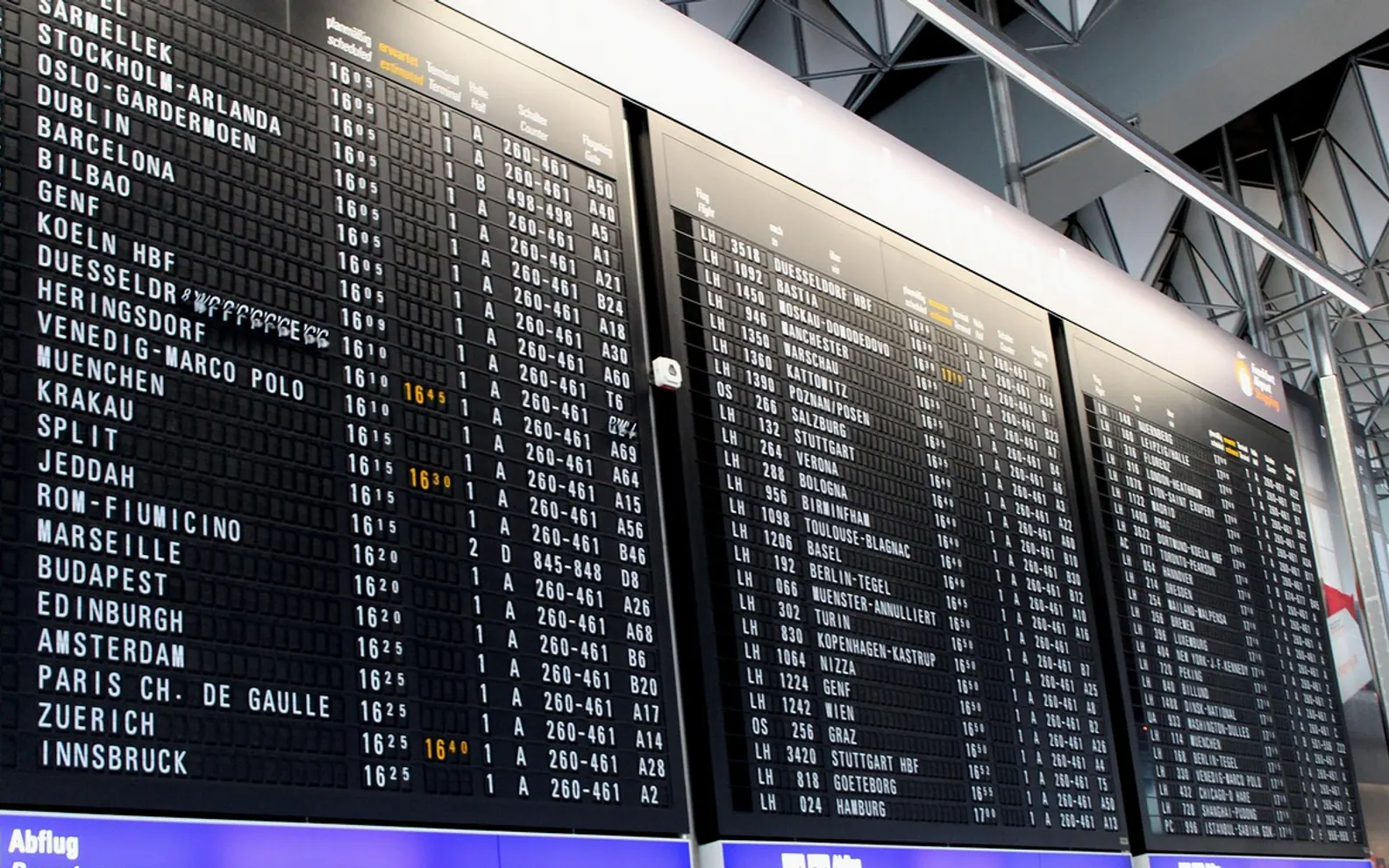
A layover is the time you spend at an airport between two flights on the same trip. You land, usually change planes, and wait for your connecting flight. It might be forty minutes or most of a day. Once a stop stretches past certain limits, airlines tend to call it a stopover instead, and that is treated differently on your ticket.
The terms get used loosely, which is half the confusion when booking. Here is what they mean, how much time to allow and what to do with a long wait.
Layover, connection, stopover: the vocabulary
| Term | What it means |
|---|---|
| Layover | The waiting time between two flights on one itinerary |
| Connecting flight | The second (or later) flight you catch after a layover |
| Stopover | A longer, deliberate break. On many international fares a stop of more than 24 hours counts as a stopover; on US domestic trips the threshold is often around four hours |
| Nonstop flight | Takes off once and lands once, with nothing in between |
| Direct flight | Keeps the same flight number but may land on the way, sometimes without a change of plane |
The difference between a layover and a stopover is more than wording. A stopover can affect the fare, how bags are handled and whether the trip still counts as one connected ticket, so check the fare rules if a stop runs long.
Layover vs connecting flight
These two get swapped all the time. The connecting flight is the plane; the layover is the gap before it. "A two-hour layover in Chicago" and "a connecting flight through Chicago" usually describe the same trip from different angles.
How long should a layover be?
Airlines and airports set a minimum connection time for each airport, and booking systems will not normally sell a single ticket with a shorter gap. Allowed is not always comfortable, though. Consider adding a buffer when:
- you have to clear immigration or customs at the connecting airport;
- you need to change terminals, especially if that involves a train or bus;
- you must collect and re-check bags, which often happens on entering a new country;
- you are travelling with children, mobility needs or plenty of hand luggage;
- the first flight is the last of the day or has a habit of running late.
Travelling light helps a lot. With everything in one bag, as in our guide to packing a carry-on like a frequent flyer, there is no carousel to wait at if you have to pass through security again.
One ticket or two?
If both flights are on the same booking, the airline is generally responsible for getting you to your destination when a delay makes you miss the second one. Checked bags are usually sent through to the final stop, although some countries require you to collect them at the first point of entry.
Booking two separate tickets to save money, sometimes called a self-transfer, is a different story. A delay on the first leg becomes your problem, bags normally need collecting and re-checking, and you may need the right documents to pass through immigration in between. Leave a much bigger gap if you go this way.
What to do on a long layover
- Check whether you can leave the airport. That depends on the time available, the visa or transit rules for your passport and how long security takes on the way back in.
- Look for day-use options. Many larger airports have lounges with day passes, shower rooms, quiet zones or small hotels inside the terminal.
- Move. A slow lap of the terminal does more for stiff legs than another coffee.
- Charge everything. Find a socket before you settle in, not when your phone is nearly flat.
- Nap with care. Set an alarm, keep valuables close and know your gate before you close your eyes.
A long layover can even shape a trip. Smaller destinations are often reached via a hub; getting to Taormina, for instance, usually means flying into Catania and continuing by road or rail, so an awkward connection can turn into an extra half-day somewhere new. If you plan to doze through the flight on either side, our tips on how to sleep on a plane are worth a look.
Quick answers
Do I have to go through security again during a layover?
It depends on the airport and the route. Some connections keep you airside the whole time; others, particularly when arriving from abroad, send you through screening again.
Is a short layover risky?
On a single ticket that respects the minimum connection time, the airline normally rebooks you if you miss the next flight. The real cost is stress and possibly a long wait for the next departure.
Are flights with a layover cheaper than nonstop ones?
Often, but not always. Weigh the total travel time and the hassle of the connection alongside the price, the same way you would compare offers when combining travel challenges and family rates.