Designing the Champagne Experience: Packaging, Storytelling, and Augmented Reality Tastings
How bottle design, the story a house tells and new augmented reality tastings shape the way people choose, open and remember a bottle of Champagne.
- Bin
- Lifestyle
- Box code
LFS 09- Added
- Read time
- 2 min read
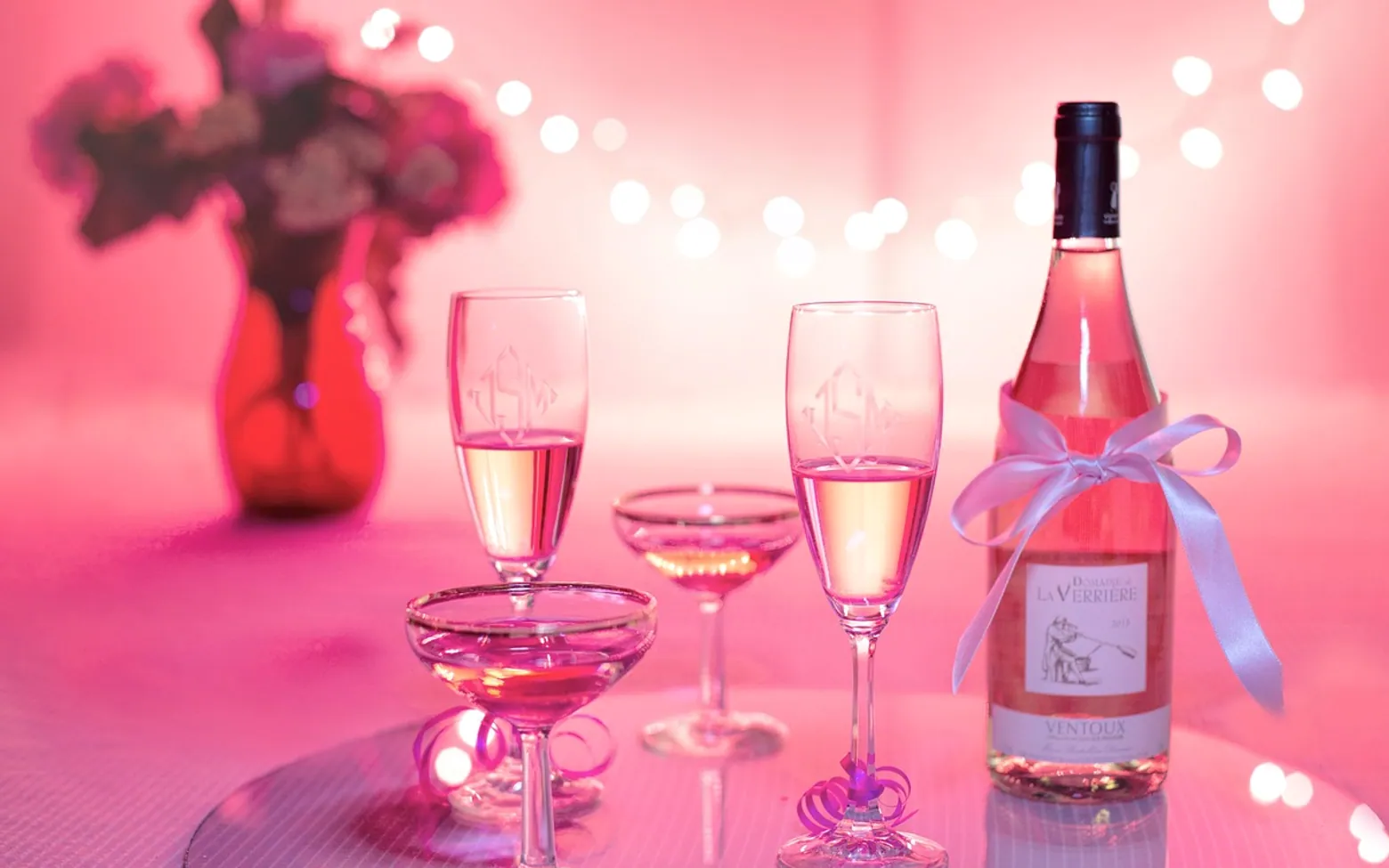
Long before the cork comes out, a bottle of Champagne has already said a great deal. Its weight in the hand, the colour of the foil, the words on the label and the box it arrives in all set expectations. Producers and retailers increasingly treat these moments as one connected experience, from the product photo on a screen to the conversation around the table.
The bottle as a first impression
Champagne bottles have to be thick and strong to hold the pressure inside, which limits how far designers can stray from the classic shape. The creativity therefore goes into details. Dark glass shields the wine from light. Foil colour and capsule design hint at the style of a cuvée. Typography, embossing and paper texture signal whether a house sees itself as traditional, playful or minimalist.
Size changes the mood too. A magnum Champagne brings instant theatre to a dinner party or celebration, and many wine lovers appreciate that larger formats are often said to develop more gently over time, making them a favourite for special occasions and for laying down.
Packaging that travels well
More bottles now reach people through deliveries rather than a shop counter, and that has pushed packaging to work harder. Protective inserts made from moulded pulp or corrugated card replace foam in many cases. Gift boxes are designed to be kept or reused. A good unboxing still feels like an occasion, but without layers of material that go straight into the bin.
Telling the story without the jargon
Every Champagne house has a story: the vineyards, the blend, the cellar time, the people involved. The challenge is telling it in a way that newcomers can follow. Short back-label notes, simple descriptions of taste and food pairing, and a QR code leading to a longer explanation let curious drinkers go deeper while keeping the label clean. The best storytelling invites questions rather than lecturing.
- Explain the style in plain words: dry, fruity, rich, delicate.
- Suggest dishes and moments that suit the bottle.
- Offer a little background on how the wine was made for those who want it.
Augmented reality at the tasting table
Augmented reality adds a new layer to all of this. Pointing a phone at a label can bring up a short animation of the vineyard through the seasons, a guide to serving temperature or an overlay showing what to look for in the glass. At hosted tastings, the same technology can guide a group through aromas and textures step by step, which helps people who feel unsure about describing wine.
Used well, these tools support the drink rather than distract from it. They are most effective when they are short, optional and easy to switch off once the glasses are poured.
Bringing it together
Design, story and technology all serve the same goal: helping people choose a bottle with confidence and remember it afterwards. Whatever the format or the occasion, Champagne is best enjoyed in good company and in moderation, by adults who are of legal drinking age where they live.