
by admin | Sep 29, 2026 | Fashion, sticky
Moving out of a rental property can feel like a race against time. Between packing, organising removalists, updating addresses, and finalising utility accounts, cleaning the home to inspection standard is often the most stressful part of the process. In Melbourne’s competitive rental market, a thorough final clean is not just a nice touch; it is one of the most important steps in protecting a tenant’s bond. When a property is left spotless, it creates a stronger impression during the final inspection and helps avoid unnecessary disputes with landlords or property managers.
End of lease cleaning services are designed to take that pressure away. Instead of trying to manage every detail alone, tenants can rely on trained professionals who understand what agents look for and how to restore a property to a high standard. From kitchens and bathrooms to windows, floors, and overlooked corners, a professional approach can make all the difference when it is time to hand back the keys.
Why End of Lease Cleaning Matters in Melbourne
Melbourne renters know that final inspections can be strict. Property managers often compare the condition of the property at the end of the lease with the original condition report, paying close attention to cleanliness. Even minor issues such as grease in the oven, soap scum in the shower, marks on walls, or dust in skirting boards can lead to requests for additional cleaning before the bond is released.
This is why end of lease cleaning matters so much. It is about more than basic tidying. A proper vacate clean focuses on the deep-cleaning tasks that are easy to miss during everyday living. These include removing built-up grime, sanitising surfaces, lifting stains where possible, and presenting the property in a fresh, well-maintained condition.
For tenants, the biggest benefit is peace of mind. A professional clean helps reduce the risk of bond deductions and makes the final handover smoother. For landlords and agents, it ensures the property is ready for the next tenant sooner. In a fast-moving city like Melbourne, that turnaround can be extremely valuable.
What Professional End of Lease Cleaning Usually Includes
Not all cleaning is equal, and that is especially true when moving out. Standard domestic cleaning might cover surface wiping and vacuuming, but end of lease cleaning is much more detailed. The goal is to return the property to a condition that aligns with rental expectations.
Most professional services cover key areas such as:
- Kitchen cleaning: degreasing stovetops, cleaning rangehoods, wiping cupboards, sanitising benches, and deep-cleaning ovens.
- Bathroom cleaning: scrubbing showers, baths, toilets, sinks, taps, mirrors, and tiles to remove soap scum, mould, and residue.
- Living areas and bedrooms: vacuuming carpets, mopping hard floors, dusting blinds, wiping skirting boards, and removing cobwebs.
- Windows and glass: cleaning interior glass surfaces, tracks, and ledges where accessible.
- General detailing: spot-cleaning marks, wiping doors, switches, handles, and other high-touch areas.
Many tenants also choose to add services such as carpet steam cleaning, wall spot cleaning, or balcony cleaning depending on the lease requirements. Working with specialists who offer end of lease cleaning in South Melbourne can be especially helpful when local rental expectations are high and timing is tight.
The main advantage of hiring professionals is consistency. Experienced cleaners follow structured checklists, bring the right equipment, and understand how to address problem areas efficiently. That level of detail can be difficult to achieve when tenants are already exhausted from the moving process.
How to Choose the Right Cleaning Service
With many options available across Melbourne, choosing the right provider is important. Tenants should look beyond price alone and focus on reliability, scope of service, and quality standards. A cheaper service may not include key tasks, which can lead to extra costs later if a re-clean is needed.
When comparing providers, it helps to consider a few essentials:
- Clear inclusions: A reputable company should explain exactly what is covered in the clean.
- Bond-focused experience: Teams familiar with end of lease work usually understand the standards expected by agents and landlords.
- Flexible scheduling: Move-out dates can change quickly, so availability matters.
- Good reviews and local reputation: Feedback from other Melbourne renters can reveal how dependable the service really is.
- Re-clean policy: Some companies offer a return visit if anything related to the agreed clean is flagged during inspection.
It is also smart to book early, especially during busy moving periods. Weekends, the end of the month, and peak rental turnover seasons can fill up fast. By securing a trusted cleaner in advance, tenants avoid last-minute stress and give themselves one less task to manage during the move.
Tips to Get the Best Results Before Inspection
Even with professional help, a little planning can improve the final outcome. The best end of lease cleans happen when the property is fully empty, allowing every surface to be reached properly. Cleaning around boxes, furniture, and personal items limits what can be done and often reduces the overall standard.
To get the best value from the service, tenants should:
- Remove all belongings before the cleaners arrive.
- Defrost the fridge if it needs to be cleaned.
- Disconnect appliances if required for safe access.
- Check the original condition report for any specific obligations.
- Confirm whether carpet steam cleaning is mandatory under the lease.
It can also help to do a final walkthrough after the clean. This gives tenants a chance to make sure nothing has been left behind and that the home looks inspection-ready. Small details, such as empty bins, clean light switches, and clear outdoor entryways, all contribute to a better overall impression.
Most importantly, tenants should remember that professional cleaners save both time and energy. Rather than spending long hours scrubbing after a physically demanding move, they can focus on settling into the next home while experts handle the final presentation of the old one.
Leaving a rental sparkling is one of the smartest ways to protect a bond and end a tenancy on good terms. In Melbourne, where inspection standards are often detailed and timeframes are tight, professional end of lease cleaning offers a practical, efficient solution. By choosing an experienced service, preparing the property properly, and aiming for a thorough final clean, tenants can hand back the keys with far more confidence and far less stress.

by admin | Aug 26, 2026 | sticky
Everyday images often contain more design value than they first reveal. A photographed sketch, a scanned logo, a handwritten icon, or a simple product graphic can become much more useful when converted into a format that is clean, scalable, and easy to edit. That is where SVG graphics stand out. Instead of being locked into fixed pixels, SVG files are built from shapes and paths, which means they can be resized without losing quality and adjusted in design software with far more control. For brands, creators, marketers, and small teams, turning ordinary images into editable SVG graphics online is one of the fastest ways to improve production speed and design flexibility.
Why SVG Graphics Matter in Modern Design
SVG, or Scalable Vector Graphics, has become a core format for digital design because it solves a problem that raster images cannot. Traditional image files such as JPG and PNG are made from pixels. They work well for photos, but they become blurry when enlarged and are often difficult to edit with precision. SVG files, by contrast, use mathematical paths to describe lines, curves, and shapes. That allows them to stay sharp at any size, from a tiny mobile icon to a large printed banner.
This flexibility matters across many practical use cases. A business might need the same logo on a website header, a social media graphic, packaging, and a trade show backdrop. If that logo exists only as a small PNG, every new application introduces limitations. With an editable SVG, the design can be resized instantly and adjusted without degrading quality. We also gain cleaner integration with web design, since SVG files often load efficiently and can be styled for modern interfaces.
Beyond logos, SVG is highly useful for icons, badges, labels, diagrams, illustrations, and line-based artwork. Even simple handwriting or doodles can become polished design assets once they are transformed into vector shapes. That is why online SVG conversion tools have become so valuable: they remove technical barriers and make vector creation accessible without requiring a complex desktop workflow.
How Online Image-to-SVG Conversion Works
At a basic level, online conversion tools analyze the shapes, edges, contrast, and color areas in a raster image, then recreate them as vector paths. In practical terms, that means a flat image is translated into editable geometric information. The best results usually come from graphics with clear outlines, distinct shapes, or strong contrast, although more advanced tools can also simplify more detailed artwork.
For teams that want a faster workflow, using an online raster to vector converter can eliminate the need to manually redraw common graphics. Instead of tracing every line in design software, we can upload an image, process it in the browser, and export an SVG that is ready for refinement. This saves time during early concept development, especially when working with icons, scanned artwork, or prototype branding elements.
Most online workflows follow a similar path. We upload the source image, choose or review conversion settings, preview the output, and then download the SVG. Some tools improve the result by smoothing edges, reducing noise, simplifying color regions, or preserving transparency. Once exported, the SVG can typically be opened in vector editing software for additional cleanup or customization.
It is important to understand that conversion quality depends on source quality. A crisp black-and-white symbol will usually convert more cleanly than a low-resolution photograph with shadows and background clutter. Still, even imperfect source images can often be transformed into usable starting points, which is a major advantage for fast-moving creative work.
How to Choose the Right Images and Prepare Them for Better Results
Not every image performs equally well during conversion. When the goal is an editable SVG, preparation makes a meaningful difference. We generally get the strongest outcome from artwork that has clear separation between subject and background, limited visual noise, and defined shapes. Before converting, it helps to simplify the image as much as possible.
- Use high-contrast visuals: Black line art, bold icons, and simple graphics are easier for conversion tools to interpret accurately.
- Remove unnecessary backgrounds: Busy scenes, textures, and shadows can create extra vector paths that make editing harder.
- Start with the best resolution available: Cleaner source images usually produce smoother edges and fewer irregular shapes.
- Prefer flat graphics over detailed photos: Logos, stamps, labels, and sketches convert more effectively than complex photographic scenes.
- Adjust brightness or threshold first if needed: A quick image cleanup can dramatically improve the SVG result.
When working with scans or phone photos, even small corrections can help. Straightening a tilted page, cropping tightly around the subject, and increasing contrast may reduce cleanup time later. If the image contains text, crisp source material is especially important because small distortions can affect letterforms. In some cases, converting text as shapes is acceptable, while in others it may be better to replace converted lettering with a proper font after export.
Preparation is not about perfection. The goal is simply to give the converter a clearer visual structure to follow. A few minutes of cleanup at the start can save far more time during editing.
Where Editable SVG Files Create Real Value
The advantage of editable SVG graphics is not just visual quality. Their real value appears in production, collaboration, and reuse. Once an image becomes a vector file, it can be revised, recolored, resized, and repurposed with far less friction. That makes SVG especially valuable for lean teams that need assets to work across multiple channels.
- Branding: Logos, seals, emblems, and wordmarks can be adapted for print and digital formats without rebuilding them from scratch.
- Web design: SVG icons and interface elements remain sharp on high-resolution screens and often integrate well into responsive layouts.
- Content marketing: Infographic elements, callout graphics, and custom illustrations can be updated quickly for campaigns and landing pages.
- Product and packaging design: Labels, symbols, and technical markings can be scaled precisely for prototypes or final production files.
- Craft and print workflows: Vector graphics are useful for cutting machines, signage, engraving, and other fabrication processes that require clean paths.
Editable SVGs also support consistency. When a design asset exists in vector form, teams can maintain the same visual identity across presentations, ads, websites, packaging, and internal documents. Instead of searching for multiple versions of the same image in different sizes, they can rely on one flexible master file. That reduces design drift and helps protect brand quality over time.
Turning everyday images into editable SVG graphics online is no longer a niche design task. It is a practical, efficient workflow that helps ideas move from rough visual references to reusable professional assets. With the right source image and a reliable conversion process, sketches, logos, icons, and simple graphics can become scalable files that are far easier to edit and deploy. For anyone creating visual materials regularly, SVG conversion offers a smarter way to preserve quality, save time, and build assets that are ready for real-world use.

by admin | May 28, 2026 | sticky
Belgium is a country that lives online. From fast-paced city commutes in Brussels and Antwerp to relaxed evenings in smaller towns and villages, people expect entertainment to move with them. We stream on phones, cast to smart TVs, watch on laptops, and switch between live television and on-demand content without thinking twice. In that context, IPTV is not just another way to watch TV; it feels like a natural extension of how connected Belgian households already live.
Belgium’s digital habits make IPTV an easy fit
Over the past decade, Belgian homes have become more connected, more flexible, and more selective about media. We no longer organise our evenings around a fixed broadcast schedule. Instead, we want content that fits into our routines, whether that means catching a match after work, following a favourite series on demand, or watching news in the morning before heading out.
IPTV, or Internet Protocol Television, aligns perfectly with that shift. It uses internet connectivity to deliver television content, which means viewers can access channels and programmes through a wide range of devices. For households already invested in fibre, mobile data, smart TVs, and streaming platforms, IPTV feels familiar and efficient. It removes the rigid structure of traditional television and gives viewers more control over when and how they watch.
This flexibility is especially relevant in Belgium, where daily schedules can be busy and diverse. Families, professionals, students, and expats all have different viewing needs. IPTV supports that variety by making content more accessible across multiple devices and settings.
Why IPTV suits Belgian households so well
One of the strongest reasons IPTV works in Belgium is that it mirrors the modern home environment. Many households want a single entertainment setup that can serve different people at different times. Parents may want live news in the evening, children may prefer cartoons on a tablet, and another family member may want to follow international sports from a phone or smart TV.
IPTV makes this kind of multi-device viewing straightforward. It gives users the freedom to watch content in the living room, bedroom, kitchen, or even while travelling. That matters in Belgium, where daily life often includes train commutes, flexible work patterns, and a mix of urban and suburban living. Entertainment is no longer tied to one screen in one room.
Another reason IPTV fits so well is the quality of internet infrastructure. Belgium has seen strong growth in broadband and fibre availability, which supports smoother streaming and a better viewing experience. When internet speeds are reliable, IPTV can deliver live channels and on-demand content in a way that feels seamless and modern.
For viewers exploring an abonnement IPTV Belgique, the appeal is often practical as much as it is technological. People are looking for a service that matches their connected lifestyle, not something that forces them to change it. That is exactly where IPTV stands out.
Multilingual viewing and international content matter in Belgium
Belgium is uniquely multilingual, and that has a direct impact on entertainment preferences. Many households want access to French-language, Dutch-language, and international content, sometimes all in the same home. Traditional television packages can feel limited when viewers want more variety, more flexibility, or more content from outside their immediate region.
IPTV responds to that need with broader channel choice and easier access to diverse programming. Whether someone wants local news, international sports, foreign films, documentaries, or channels from neighbouring countries, IPTV can offer a more adaptable solution. That is valuable in a country where language and culture often overlap in daily life.
We also see this in expat households and internationally minded families. Belgium attracts professionals and residents from across Europe and beyond, and they often want television options that reflect their background or current interests. IPTV can help bridge that gap by offering a more personalised and culturally flexible viewing experience.
In addition, IPTV supports the kind of content discovery that connected users now expect. Rather than flipping through a limited list of channels, viewers can move more easily between live TV, catch-up options, and on-demand libraries. That makes entertainment feel more responsive and less restrictive.
The practical benefits: convenience, value, and control
Beyond content variety, IPTV appeals because it offers practical advantages that fit modern Belgian routines. Convenience is one of the biggest. We can watch what we want without depending on a single fixed device or a traditional installation model. Setup is often simpler, and users generally appreciate a service that works across the platforms they already use.
Value is another important factor. Belgian consumers are careful about cost, especially when comparing entertainment options. IPTV often feels attractive because it can combine live channels, on-demand viewing, and device flexibility in one package. Instead of paying for multiple separate services, households can look for a solution that brings more of their viewing together.
Control also matters. In a connected lifestyle, people want to choose when to watch, what to watch, and where to watch it. IPTV gives viewers more influence over their entertainment without forcing them into a rigid broadcast schedule. That is particularly useful for families with different routines or for individuals who split their time between home, work, and travel.
Some of the most appreciated features include:
- Multi-device access for TVs, tablets, laptops, and smartphones
- Live and on-demand flexibility for busy schedules
- Broad content selection for local and international tastes
- Ease of use for viewers who want quick access without complexity
These benefits combine to create a viewing model that feels aligned with how people already consume media in Belgium. IPTV is not about replacing connected habits; it is about enhancing them.
IPTV and the future of entertainment in Belgium
As Belgian households continue to adopt smarter devices and faster internet connections, IPTV is likely to become even more relevant. The future of television is increasingly interactive, portable, and personalised. Viewers want services that can adapt to changing schedules, mixed-language households, and the growing demand for content on multiple screens.
We are also seeing a broader shift away from passive viewing. People expect recommendations, instant access, replay options, and the ability to move between devices without interruption. IPTV fits that evolution naturally. It reflects the way digital life has already changed in Belgium and offers a viewing experience that feels current rather than outdated.
For that reason, IPTV is more than a trend. It is a practical response to a connected society that values convenience, flexibility, and choice. In Belgium, where modern life is fast, multilingual, and increasingly digital, IPTV fits the rhythm of the home as well as the expectations of the viewer.
In the end, IPTV fits perfectly into Belgium’s connected lifestyle because it respects how people actually live. It supports busy routines, diverse households, and a strong appetite for quality content across devices. As Belgian viewers continue to seek smarter, more flexible entertainment, IPTV stands out as a solution designed for the present and ready for the future.

by admin | May 26, 2026 | Film, Tips & Tricks
French entertainment is evolving quickly, and IPTV is at the center of that transformation. As audiences move beyond traditional broadcast schedules, they increasingly expect flexible, on-demand, high-quality viewing across every screen in the home. We are seeing a major shift in how films, live sports, television series, and niche cultural content are discovered and consumed in France. IPTV is no longer simply an alternative to cable or satellite; it is becoming a core part of the digital entertainment ecosystem, driven by faster internet, smarter devices, and changing consumer habits.
The rise of flexible, viewer-first entertainment in France
One of the most important IPTV trends in France is the demand for greater control over the viewing experience. Modern audiences want to watch what they want, when they want, and on the device that suits them best. IPTV supports this expectation by delivering content through internet connections rather than fixed broadcast infrastructure, making entertainment far more adaptable.
This flexibility matters in the French market, where households often combine live television, on-demand streaming, international programming, and mobile viewing. Consumers are increasingly drawn to platforms that make this blend seamless. Instead of being tied to rigid channel packages, users want curated libraries, replay features, catch-up TV, and multi-screen access. This is one reason providers such as IPTV Premium France are part of a wider movement toward more responsive and user-centered entertainment services.
Several factors are accelerating this shift:
- High-speed fiber expansion across French cities and regional areas
- Smart TV adoption that makes IPTV apps easy to access
- Mobile-first behavior among younger viewers
- Growing interest in international and specialized content
As a result, IPTV is shaping a future in which French households expect entertainment to adapt to their routines rather than the other way around. This change is not just technological; it reflects a broader cultural preference for convenience, choice, and personalization.
Personalization and smarter content discovery
Another defining IPTV trend is the growing importance of personalized recommendations. In an environment crowded with channels, films, series, and live events, discovery can easily become overwhelming. IPTV platforms are increasingly using intelligent recommendation systems to help users find relevant content faster.
For French viewers, this has strong appeal. The entertainment landscape in France is diverse, balancing domestic productions, European cinema, international releases, news programming, and premium sports. A one-size-fits-all interface no longer works. IPTV services that highlight local preferences, language settings, genre interests, and household viewing habits are better positioned to hold audience attention.
We can expect the future of French IPTV to include:
- More accurate recommendation engines based on viewing behavior
- User profiles for families with separate watch histories and suggestions
- Improved search and voice navigation for faster access to content
- Context-aware interfaces that surface live events, trending titles, and regional programming
This emphasis on discovery has significant SEO relevance as well. Users increasingly search for phrases such as best IPTV France, French live TV streaming, and IPTV for sports and movies because they want platforms that do more than deliver channels. They want services that simplify the entertainment journey. The winners in this space will be those that combine strong technical performance with intuitive, personalized user experiences.
Live sports, premium events, and hybrid viewing habits
Live content remains one of IPTV’s greatest strengths, especially in France, where sports and cultural events attract passionate audiences. Football, rugby, tennis, motorsport, concerts, and national entertainment broadcasts continue to generate high engagement. IPTV platforms are responding by improving stream stability, reducing buffering, and offering more robust access to live channels and event coverage.
At the same time, viewers are developing hybrid viewing habits. They may watch a Ligue 1 match live on a smart TV, check highlights on a smartphone, and later browse commentary or related programming through on-demand menus. IPTV fits naturally into this pattern because it connects live and replay content within one environment.
This trend is especially important for the future of French entertainment because it broadens the role of television. TV is no longer a single appointment-based experience. It is an ongoing digital relationship with content, available across multiple moments in the day. IPTV platforms that support pause, replay, instant switching, and cross-device continuity are aligning with how audiences actually behave.
We are also seeing rising expectations around picture quality. As households upgrade their devices, demand for HD, Full HD, and 4K streaming is becoming standard rather than premium. French viewers who enjoy cinema, documentaries, and sports increasingly value visual clarity and low-latency performance. This means the future of IPTV in France will be shaped not just by content libraries, but by delivery quality, interface speed, and overall reliability.
Regulation, trust, and the next generation of connected homes
No discussion of IPTV trends in France is complete without addressing regulation and trust. As the market grows, viewers are becoming more selective about legality, service quality, billing transparency, and customer support. Trust is becoming a competitive advantage. Providers that can offer clear service standards, stable access, and strong user support are likely to earn long-term loyalty.
This maturing market is also being influenced by the rise of the connected home. IPTV is increasingly integrated into broader digital lifestyles that include smart speakers, home assistants, mobile apps, and connected entertainment ecosystems. In the near future, French households will expect IPTV to work smoothly with:
- Smart TVs and streaming boxes
- Tablets and smartphones
- Voice control systems
- Home networks optimized for high-bandwidth media
As these technologies become more common, IPTV will feel less like a separate service and more like a central entertainment hub. This evolution will encourage providers to invest in better interfaces, stronger compatibility, and more secure account management. It will also push the industry toward higher standards overall, which benefits viewers across France.
In the years ahead, IPTV is set to play a defining role in the future of French entertainment. Its biggest strengths, flexibility, personalization, live event access, and multi-device convenience, align perfectly with changing audience expectations. As internet infrastructure improves and connected households become the norm, IPTV will continue moving from a useful option to an essential part of how France watches, discovers, and enjoys entertainment. For viewers seeking a richer, smarter, and more adaptable media experience, this shift is only just beginning.
by admin | May 26, 2026 | sticky
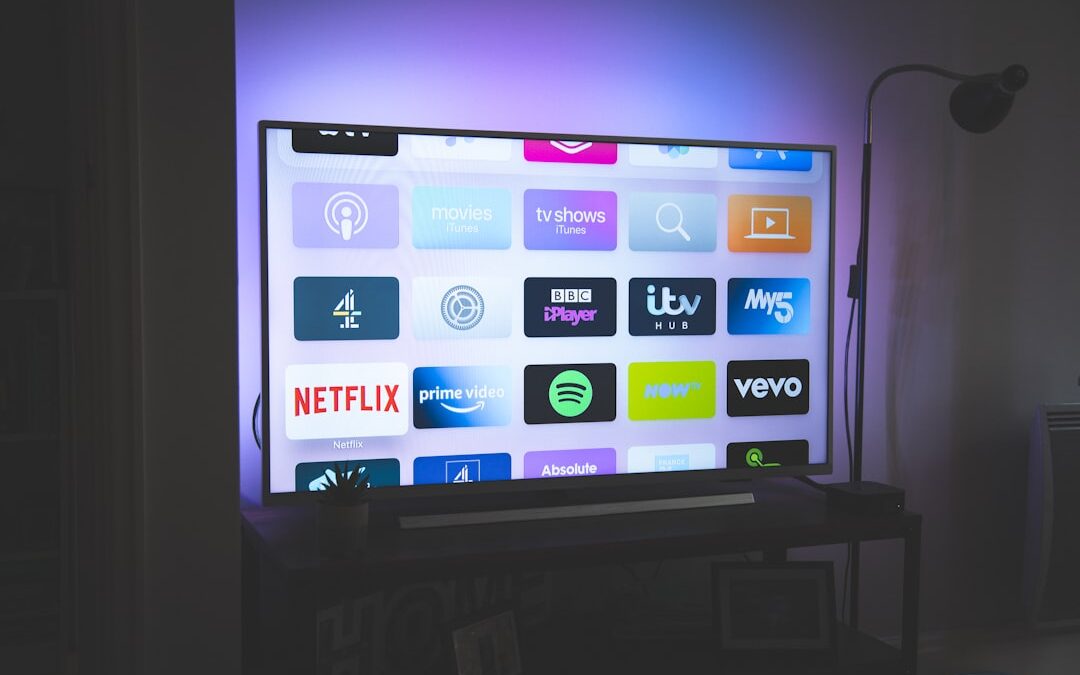
In Switzerland, television habits are changing rapidly. Viewers no longer want to be tied to rigid schedules, limited channel bundles, or outdated interfaces. Instead, they expect flexibility, high-definition streaming, multilingual content, and easy access across smart TVs, tablets, and phones. This shift has helped premium IPTV become one of the most important developments in the Swiss entertainment market. As broadband quality improves and consumer expectations rise, premium IPTV is moving from a niche alternative to a mainstream viewing experience.
What makes this trend especially significant in Switzerland is the country’s unique media environment. Audiences often want content in French, German, Italian, and English, while also expecting reliable performance and polished customer service. Premium IPTV services are responding to this demand with more refined platforms, better picture quality, and curated channel selections that match modern lifestyles.
Why Swiss Viewers Are Moving Toward Premium IPTV
The rise of premium IPTV in Switzerland is closely linked to changing expectations. Traditional TV models still have a place, but they often struggle to match the convenience that internet-based television now offers. Viewers want to watch live sports, news, films, and international programming on their own terms, without compromising on quality.
Premium IPTV stands out because it combines live television with on-demand convenience. Instead of navigating clunky menus or paying for channels they rarely use, users can access more personalised viewing environments. For Swiss households, this matters. Families often have diverse language preferences and different viewing habits, so a flexible service delivers far more value than a one-size-fits-all package.
Another important factor is device compatibility. Today’s audiences expect their entertainment to move with them. A premium IPTV subscription can often be used across several devices, allowing viewers to start a programme in the living room and continue it elsewhere. In a country where digital adoption is high and users are accustomed to seamless online services, this convenience is a major selling point.
The Features Defining a Premium IPTV Experience
Not all IPTV services offer the same standard. The term premium IPTV increasingly refers to a complete experience rather than simple channel access. Swiss consumers are looking for quality in every aspect of the service, from image resolution to platform stability.
The most valued features often include:
- High-definition and 4K streaming for a sharper and more immersive viewing experience.
- Reliable servers that minimise buffering and interruptions during peak viewing hours.
- Multilingual content libraries suited to Switzerland’s diverse linguistic landscape.
- User-friendly interfaces that make browsing channels and on-demand titles simple.
- Responsive customer support for installation help, troubleshooting, and subscription guidance.
Premium services also distinguish themselves through content variety. Sports fans expect dependable access to live events, film lovers want broad entertainment catalogues, and international households appreciate channels from multiple regions. When all of this is presented through a clean, intuitive platform, IPTV becomes more than a technical solution; it becomes a premium media experience.
Stability is particularly important. Consumers are willing to pay more for a service that consistently performs well. In Switzerland, where standards for digital services are generally high, users quickly recognise the difference between low-cost, unreliable streaming and a professionally managed IPTV platform.
Why Switzerland Is an Ideal Market for IPTV Growth
Switzerland offers the right conditions for premium IPTV to thrive. The country benefits from strong internet infrastructure, high purchasing power, and a population that is comfortable with digital subscriptions. These factors create an environment where quality-focused streaming services can grow quickly.
Another reason is cultural diversity. Unlike more uniform markets, Switzerland requires media solutions that accommodate different languages and viewing preferences. Premium IPTV providers that understand this can create compelling offers for households looking for broad access in one place. Instead of juggling multiple subscriptions or regional restrictions, viewers increasingly prefer consolidated, high-quality platforms.
The growth of remote work and flexible lifestyles has also influenced entertainment habits. More people now consume content outside of traditional evening viewing windows. IPTV matches this behavior perfectly because it supports mobile access, catch-up features, and on-demand viewing. This flexibility aligns with how Swiss consumers already manage banking, shopping, and communication online.
There is also a broader shift in what audiences consider good value. Price still matters, but convenience, content depth, and service reliability matter just as much. A premium IPTV package that saves time and provides a better user experience can feel more worthwhile than a cheaper but inconsistent alternative.
How to Choose the Right Premium IPTV Service
As the market becomes more competitive, choosing the right provider requires more than comparing channel counts. The best approach is to focus on service quality, compatibility, transparency, and support. A premium IPTV service should feel straightforward from the first interaction, whether users are browsing package details or setting up the platform at home.
Viewers should consider several factors before subscribing:
- Content relevance: Does the service offer channels and categories that match household interests?
- Streaming quality: Is HD or 4K available, and does the platform perform smoothly?
- Ease of use: Can users navigate the interface quickly across different devices?
- Subscription clarity: Are packages and pricing presented clearly and professionally?
- Support standards: Is customer assistance available when technical help is needed?
For consumers comparing options and package levels, it is useful to review detailed plans before committing. Those exploring premium offers in the Swiss market can voir ce site to better understand how subscription structures are presented and what a modern IPTV package may include.
Ultimately, the best providers are those that balance technology with trust. A polished interface may attract attention, but long-term satisfaction depends on consistency, transparent service, and content that genuinely fits the viewer’s needs.
The Future of Premium IPTV in Switzerland
Looking ahead, premium IPTV is likely to become even more sophisticated. As consumer expectations continue to rise, providers will invest more heavily in better infrastructure, smarter recommendation systems, and broader content ecosystems. Personalisation will play a growing role, helping users discover relevant programmes more quickly and reducing the friction that often comes with large content libraries.
We can also expect premium IPTV platforms to integrate more deeply with the connected home. Smart TVs, voice controls, and unified streaming dashboards will make television consumption feel even more seamless. For Swiss audiences, this evolution is particularly appealing because it supports multilingual access and device flexibility without sacrificing quality.
Premium IPTV is no longer simply an alternative to traditional television. In Switzerland, it is becoming a preferred format for viewers who value quality, convenience, and control. As long as providers continue to focus on reliability, user experience, and relevant content, the growth of premium IPTV experiences in the Swiss market seems set to continue.
In conclusion, the rise of premium IPTV in Switzerland reflects a broader shift in how people want to watch television: with freedom, quality, and simplicity. For households seeking a modern entertainment solution that aligns with digital lifestyles, premium IPTV is increasingly defining the future of viewing.

Follow Us!